Choose your language
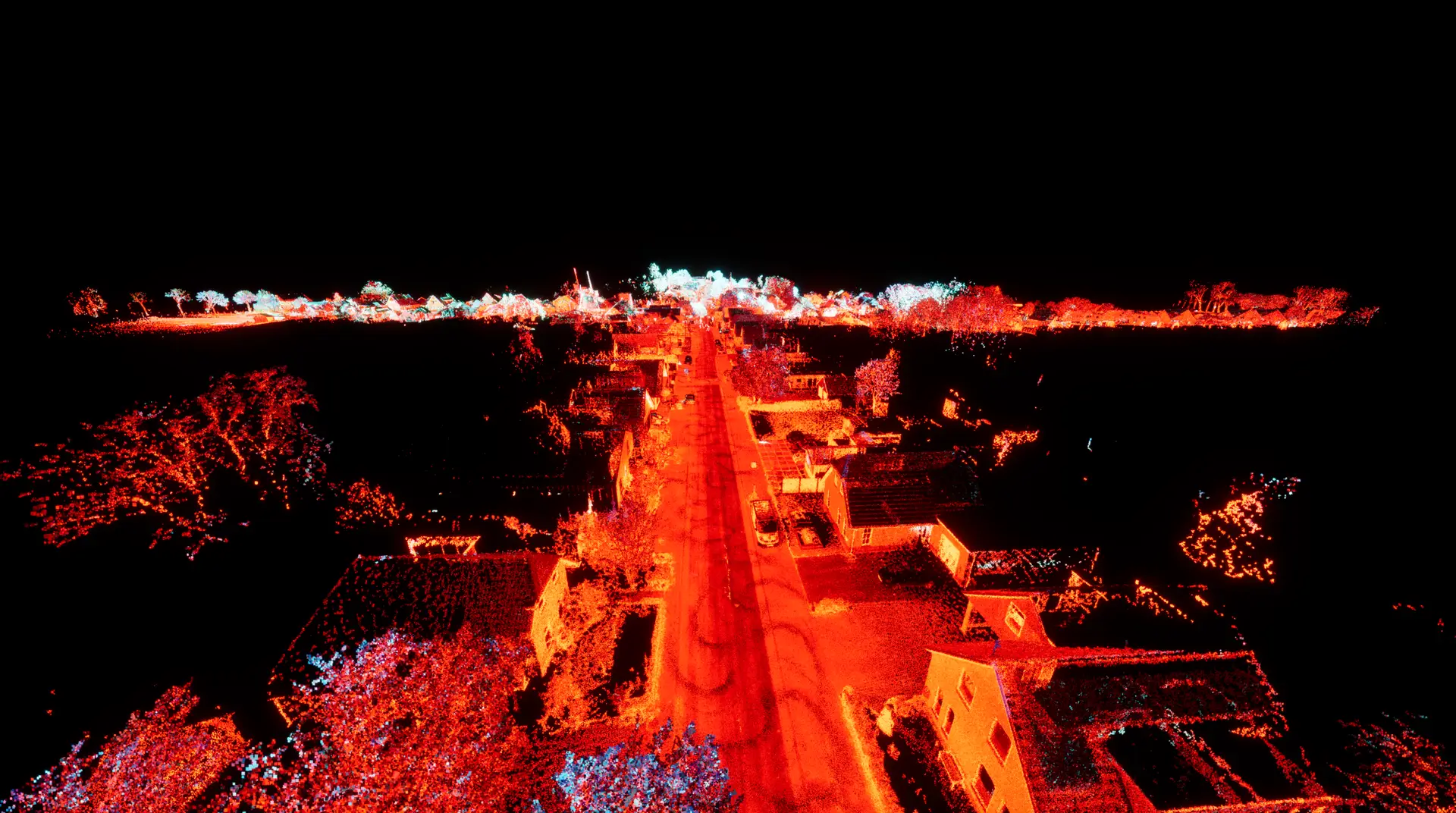
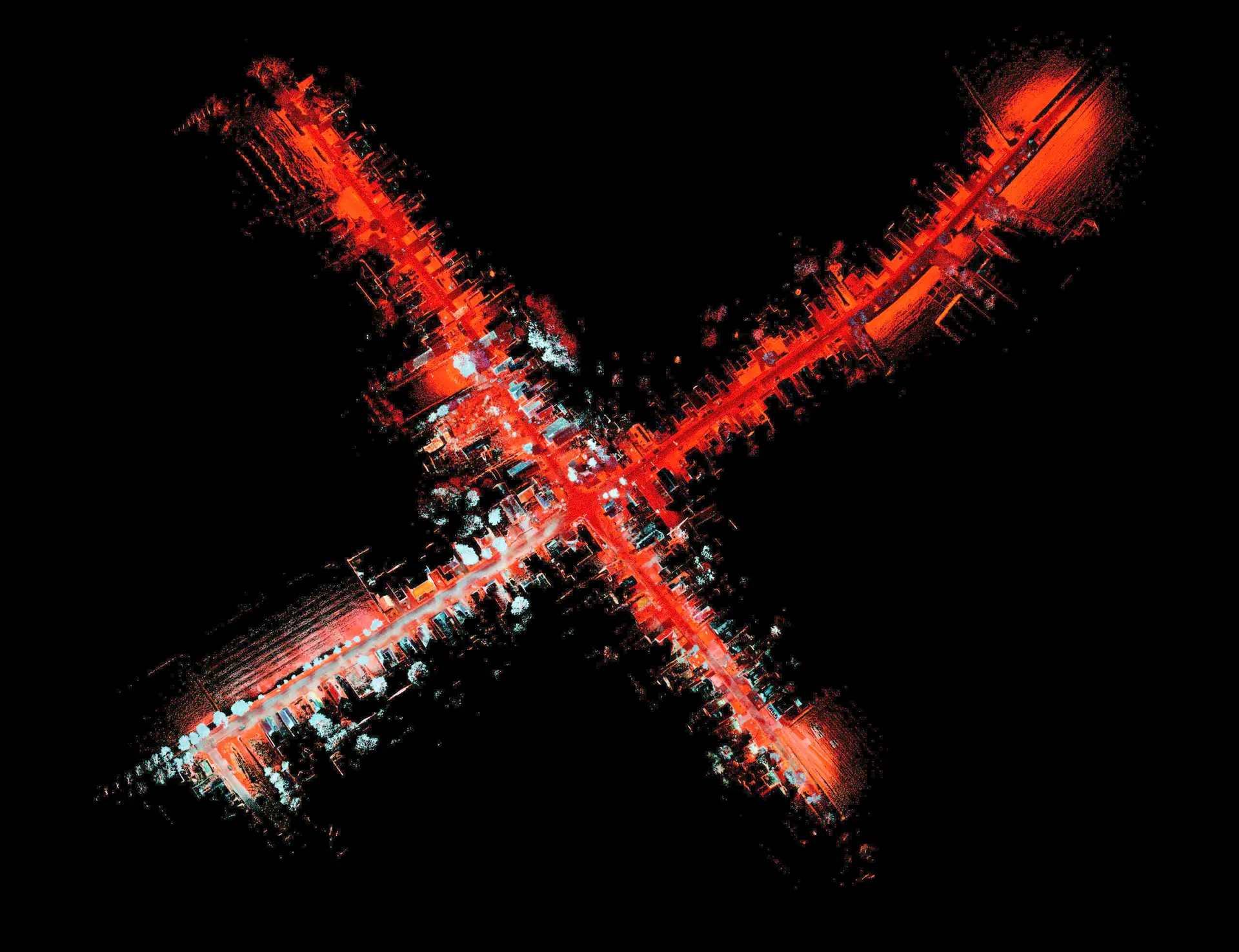
The original red and white X-shaped LiDAR scan of Overschild↓

CORRIDORS OF MEMORY

GUS DRAKEkunstenaar (Seattle WA 1995)

in samenwerking met:

Freddy Peters3D-specialist (Almelo 1959)

&

Aart Jan Van Der Lindendigital developer (Den Haag 1971)
Steven SilversMusic composer

Deze VR-installatie richt zich op het dorp Overschild in Groningen dat zwaar is beschadigd door aardbevingen als gevolg van gaswinning. De meeste huizen moesten worden herbouwd omdat ze niet langer voldeden aan de geldende veiligheidsnorm. Anderen konden worden versterkt.

Het werk verkent niet alleen de fysieke vernietiging maar laat ook zien hoe huizen dragers zijn van herinneringen, het dagelijks leven en emotionele betekenis. Huizen dragen zorg, liefde en gedeelde momenten. Wanneer huizen worden gesloopt, gaan deze herinneringen vaak voorgoed verloren. In deze VR-ervaring kunnen bezoekers de herbouwde interieurs binnengaan en de sfeer, geluiden en sporen van het leven ervaren dat zich hier ooit afspeelde. De ervaring laat zien hoe architectuur en herinnering altijd met elkaar zijn verbonden.

Sinds 2019 delen families in Overschild hun verhalen en geven ze toegang tot hun huizen aan Drake. Foto’s, verhalen en opgenomen geluiden vormen de basis van zijn project. Deze elementen worden gecombineerd met hoogwaardige 3D-scans, ruimtelijk geluid en animaties om de interieurs opnieuw tot leven te brengen.

Samenwerking is centraal in Gus zijn werk. Het VR-platform is ontwikkeld met redacteur en digital developer Aart Jan van der Linden, terwijl Freddy Peters nauw betrokken was bij de animatie van de 3D-omgevingen.

This VR-installation focuses on the village of Overschild in Groningen, which has been heavily damaged by earthquakes caused by gas extraction. Most houses had to be rebuilt because they no longer met current safety standards. Others could be reinforced.

The work explores more than physical destruction: it looks at how homes carry memories, the daily life, and emotional meaning. Homes hold routines, care, love, and shared moments. When houses are demolished, these memories risk being lost forever. In this VR-experience, visitors can step into re-created interiors and experience the atmosphere, sounds, and traces of life that once filled these homes. The experience shows how architecture and memory are always connected.

Since 2019, families in Overschild have shared their stories and allowed access to their homes to Drake. Photographs, oral histories, and recorded sounds form the foundation of his project. These elements are combined with high-resolution 3D scans, spatial sound, and animation to reconstruct interiors and make them feel alive again.

Collaboration is central to the work. The VR platform was developed with editor and digital developer Aart Jan van der Linden, while Freddy Peters worked closely on the animation of the 3D environments.

Die VR-Installation stellt das Groninger Dorf Overschild in den Mittelpunkt, das durch Erdbeben infolge der Gasförderung stark in Mitleidenschaft gezogen wurde. Die meisten Häuser mussten neu gebaut werden, da sie den Sicherheitsbestimmungen nicht mehr entsprachen. Andere konnten verstärkt werden.

Das Werk zeigt nicht nur die physische Zerstörung, sondern macht Häuser zugleich als Träger von Erinnerungen, Alltagsleben und emotionaler Bedeutung erfahrbar – Orte, in die sich Gewohnheiten, Fürsorge, Liebe und gemeinsame Momente einschreiben. Beim Abriss gehen solche Erinnerungen oft unwiederbringlich verloren. In der Installation betreten Besucher*innen die rekonstruierten Innenräume und tauchen in die Atmosphäre, Geräusche und Spuren des Lebens ein, das hier einst stattfand. So wird nachvollziehbar, wie Architektur und Erinnerung miteinander verknüpft sind.

Ab 2019 öffneten Familien in Overschild dem Künstler ihre Häuser, um ihre Geschichte zu erzählen. Fotos und Tonaufnahmen bilden die Basis des Projekts, in dem hochwertige 3D-Scans, räumliche Klangeindrücke und Animationen die Innenräume neu beleben.

Drakes Arbeit lebt von der Zusammenarbeit. Die VR-Plattform entstand gemeinsam mit Redakteur und Softwareentwickler Aart Jan van der Linden, während Freddy Peters die Animation der 3D-Umgebungen betreute.
A red LiDAR view along a street in Overschild

Overschild · LiDAR point-cloud scan

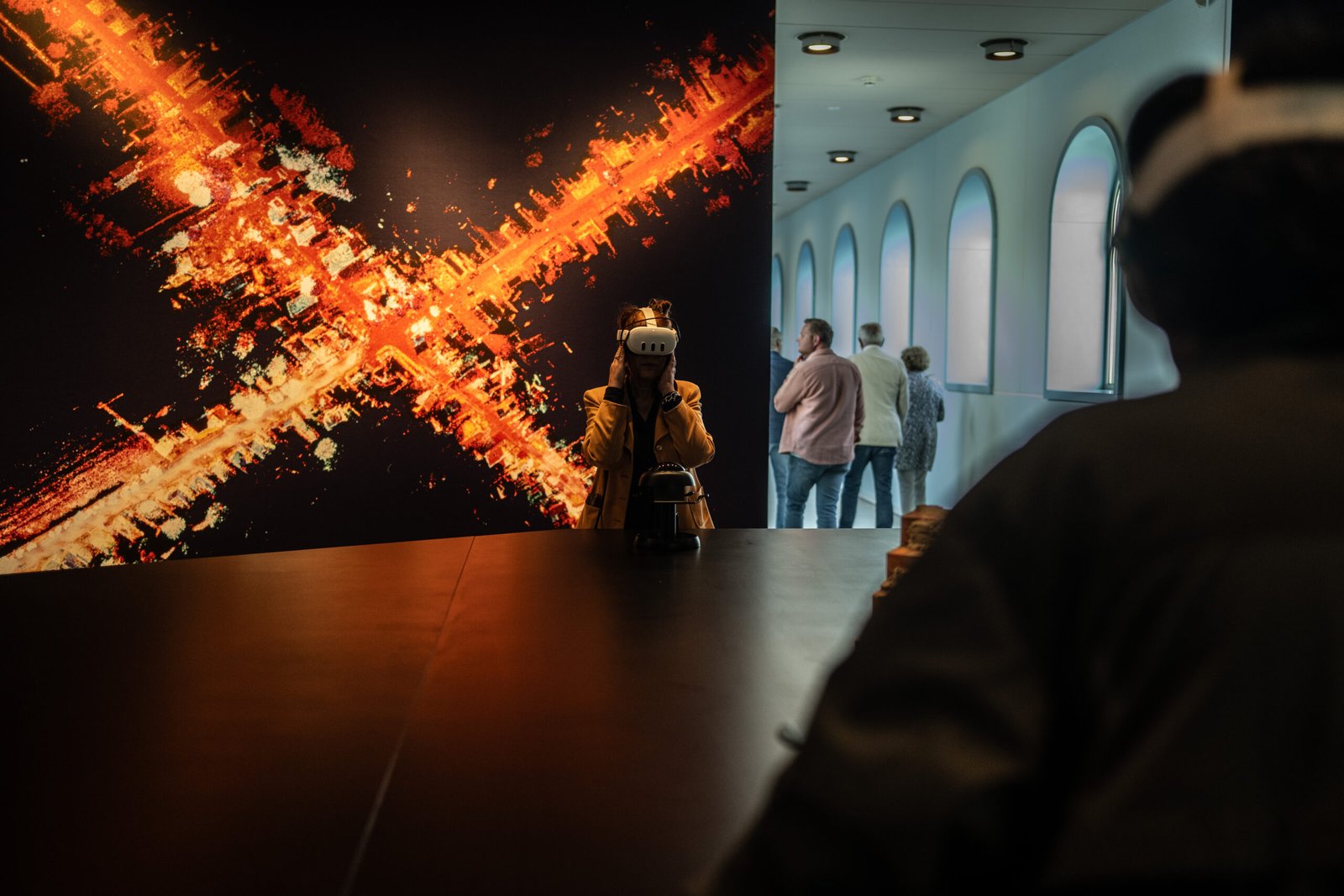
A LiDAR point-cloud scan of the whole village of Overschild, preserving its architecture before it vanished. Captured using the FJD Trion S2, the complete scan contains 1.2 billion points.

Corridors of MemoryVR Installation · Groninger Museum, 2026

RECOGNITION

1st Prize

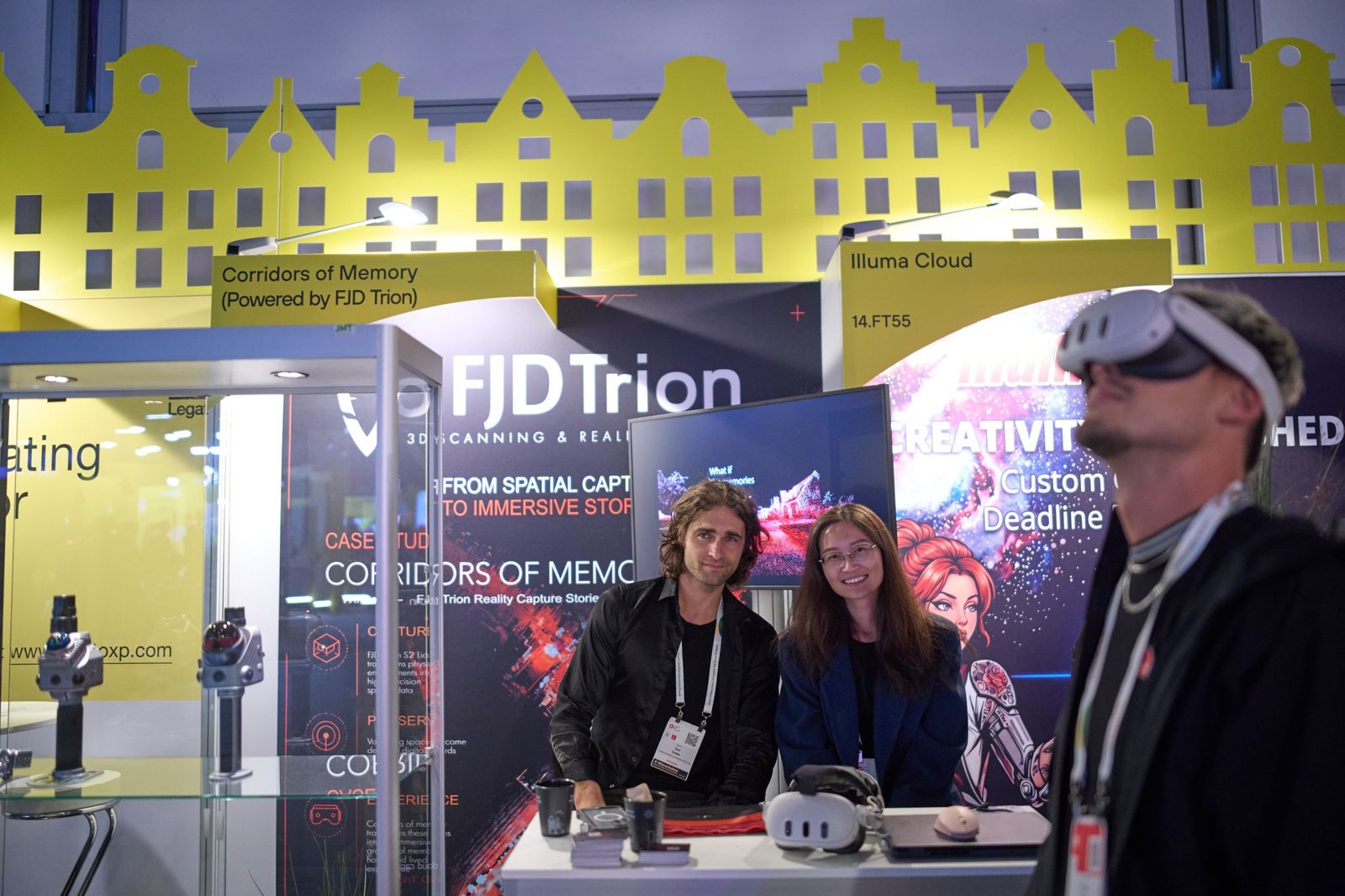
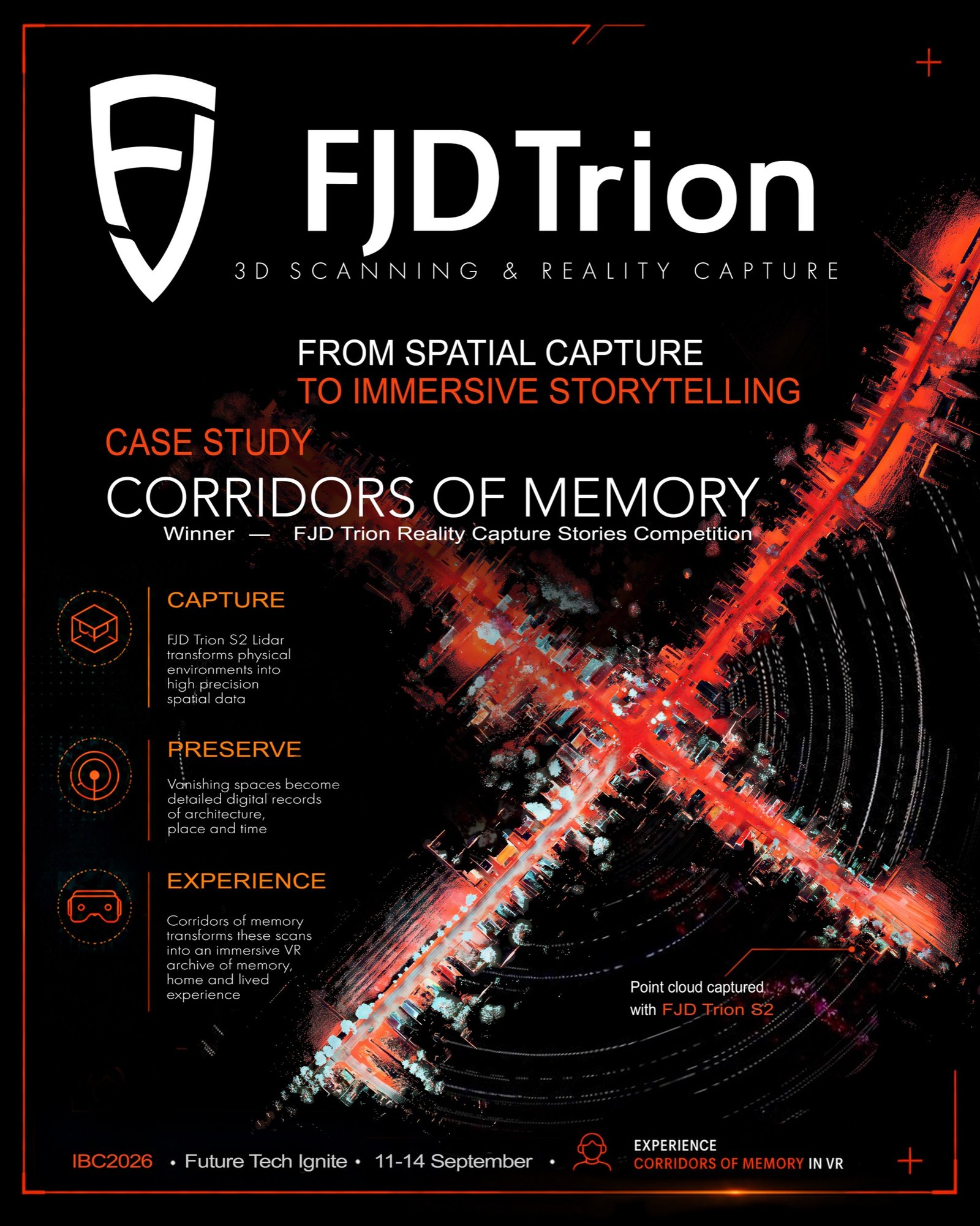
FJD Trion Reality Capture Stories Competition

Awarded to Corridors of Memory.

Read FJD’s feature ↗
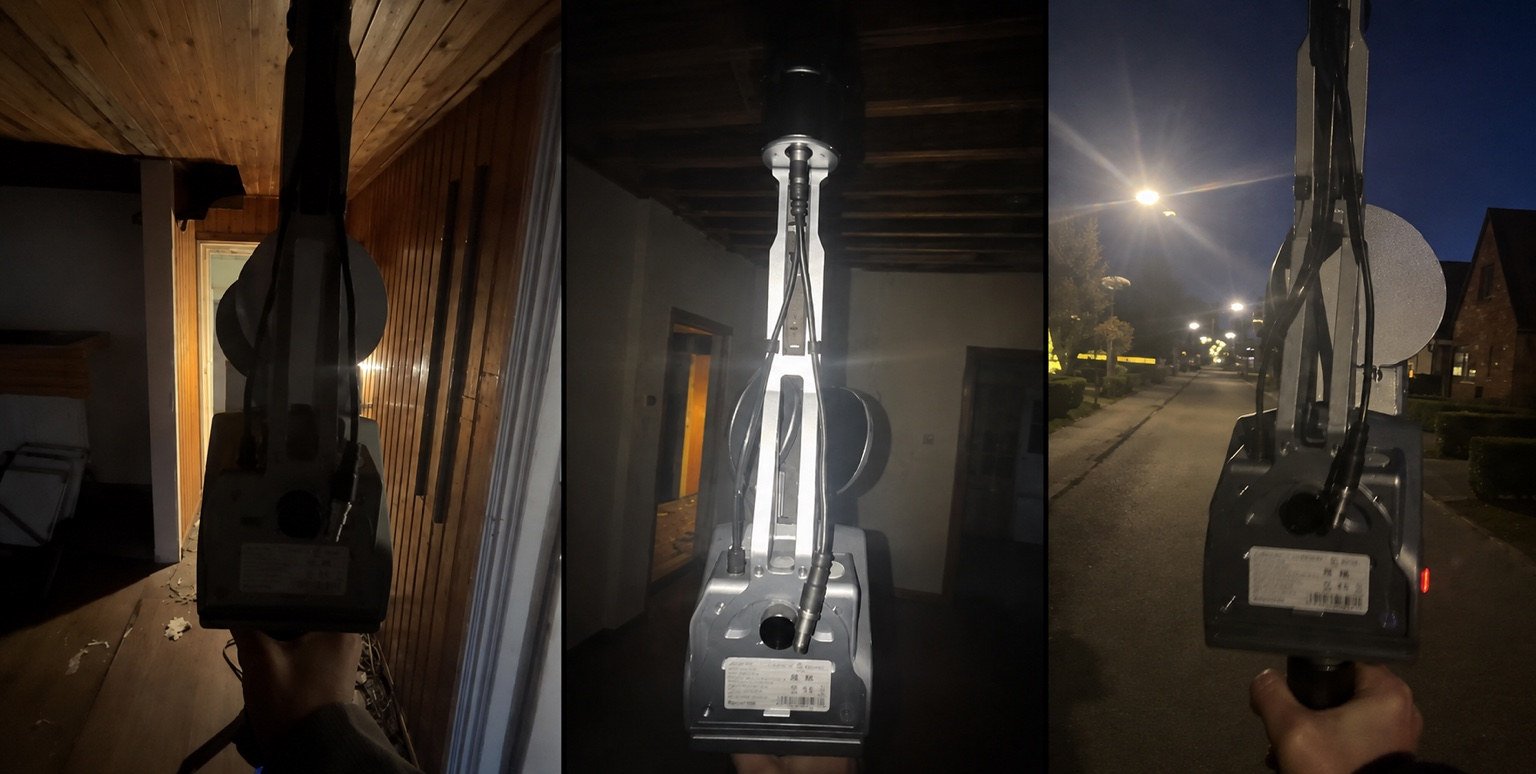
Three views of handheld spatial scanning inside homes and on a street at night
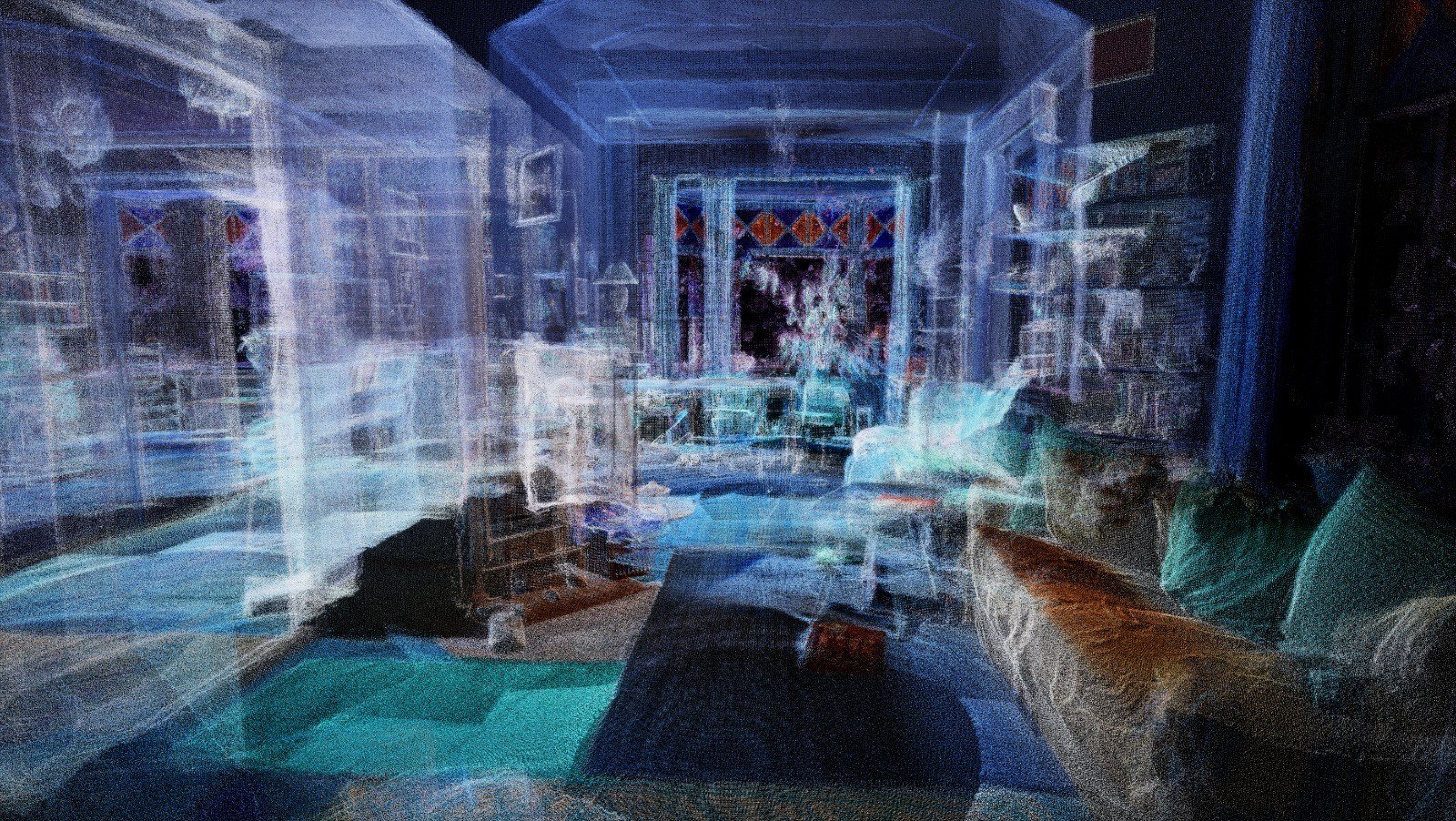
A layered blue and turquoise point-cloud scan of a living room, preserving its furniture and architecture
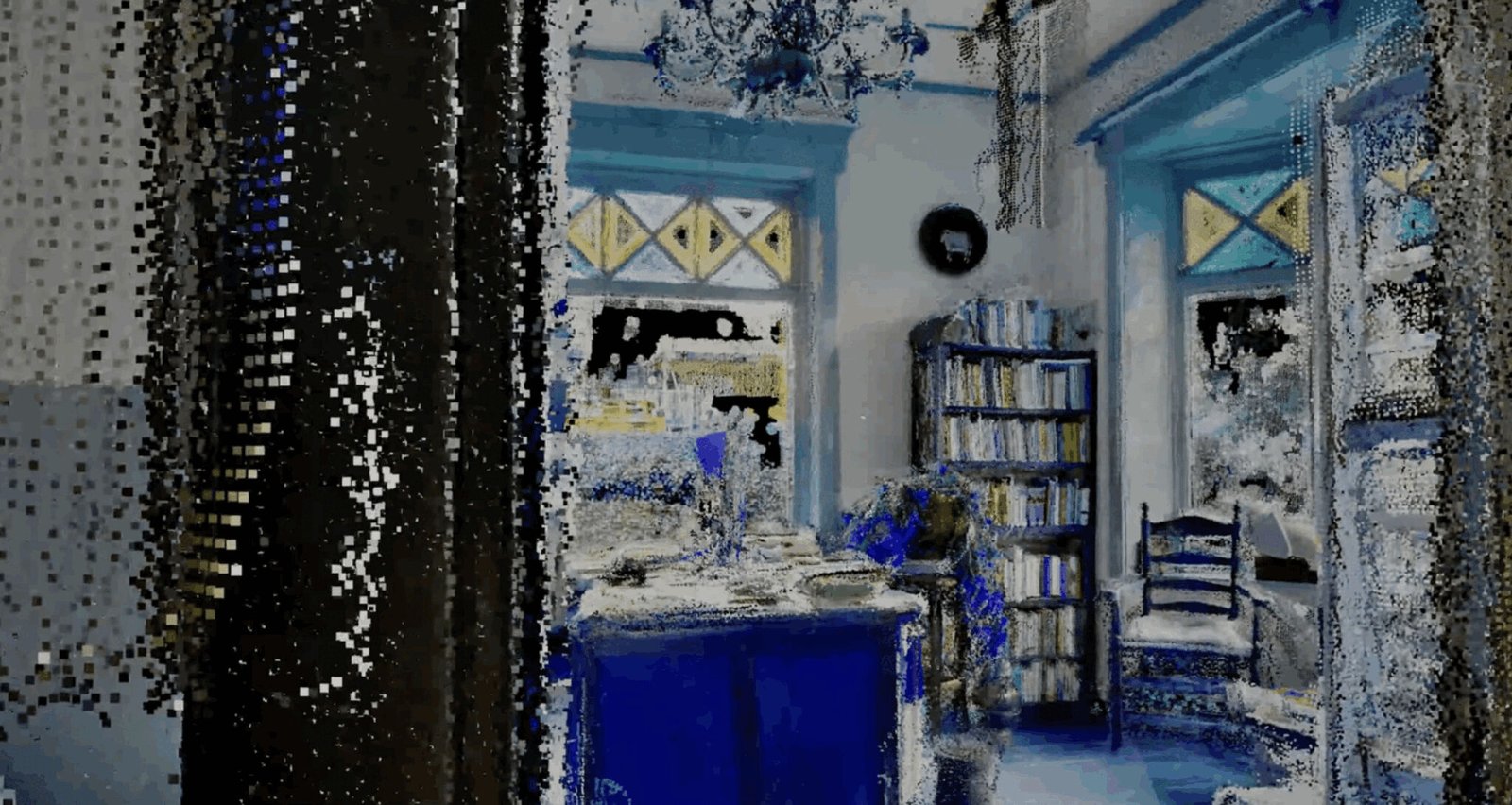
Interior study from Corridors of Memory

Enter the homes

Explore four homes in Overschild through their recorded point clouds, then witness a demolition from within. Move between architecture preserved in memory and its physical disappearance.

Enter the homes ↗

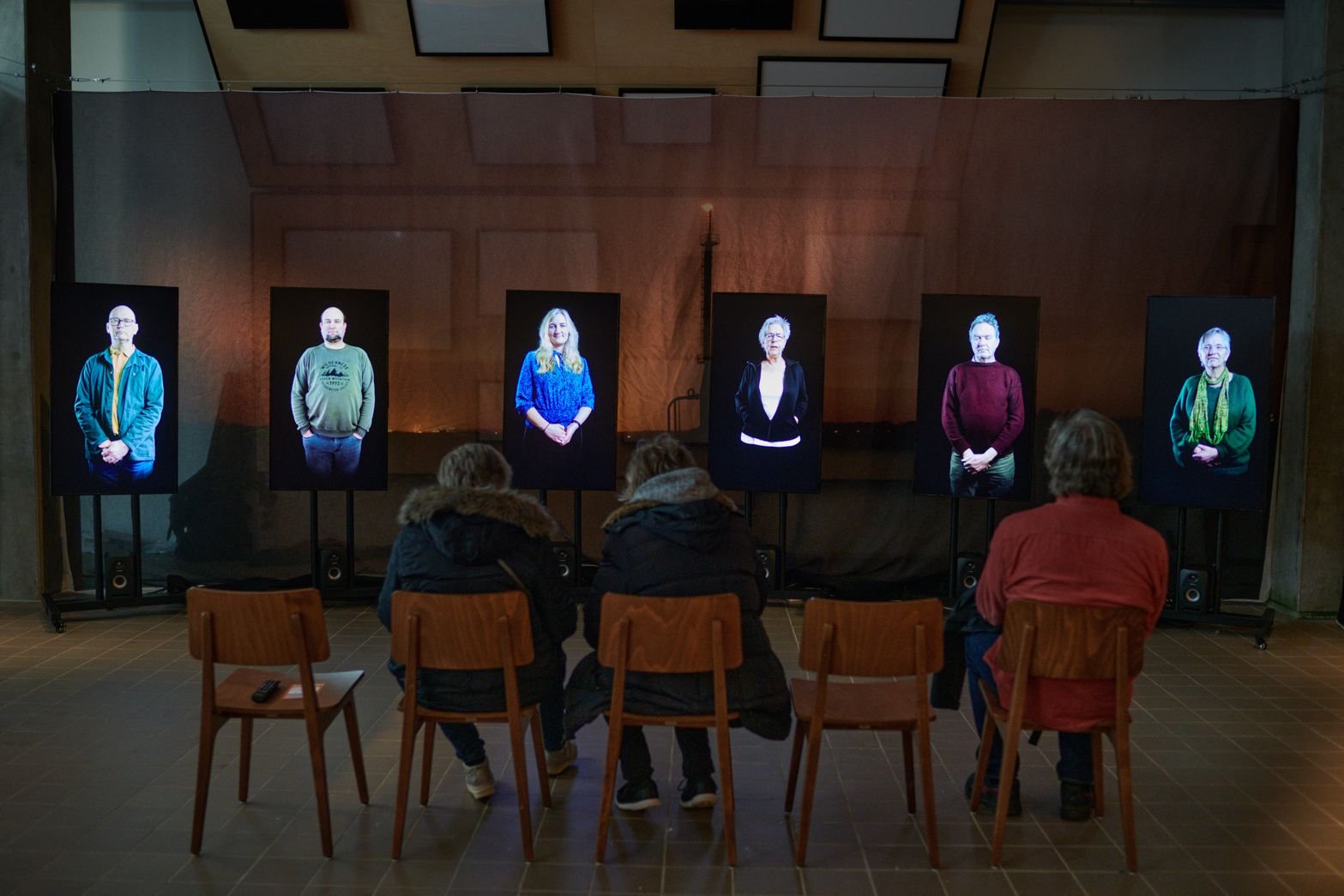
4K CCTV INTERIOR FOOTAGE OF HOME DEMOLITIONS,
MULTI-CHANNEL VIDEO INSTALLATION (2023–2026)

Utilizing 4K security cameras left inside the very last original homes of Overschild, this ten-screen installation captures the violent destruction from domestic spaces from the inside out. At sites along the Meerweg and Kanalweg physical exhibition materials were deliberately left to be destroyed with the architecture. Acting as a collective mechanical witness, this work documents a definitive historical rupture: the permanent dismantling of the village’s old history, clearing the physical and cultural ground for a new one to be written.

Homes and traces of life

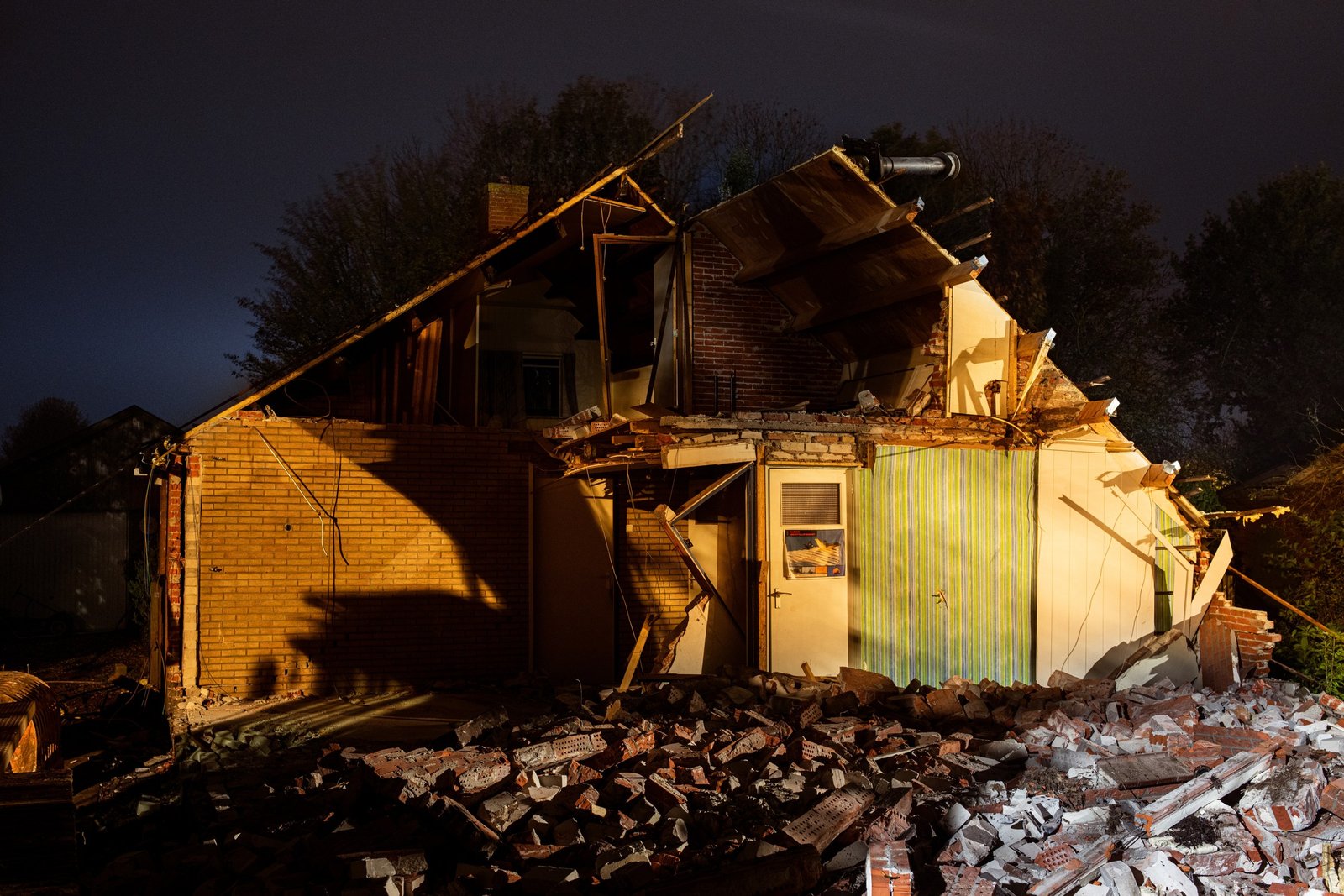
A house in Overschild at night, opened by demolition

MEMORY ARCHITECTURES (OVERSCHILD), 2022–2023

The scattered bricks serve as a stark reminder that a home is not a static structure that can simply be packed up and relocated. These walls held a deeply ingrained ‘memory architecture’ that recorded years of love, trust, and familiarity. As the physical structure is erased, what the community truly leaves behind is their spatial access to those memories.

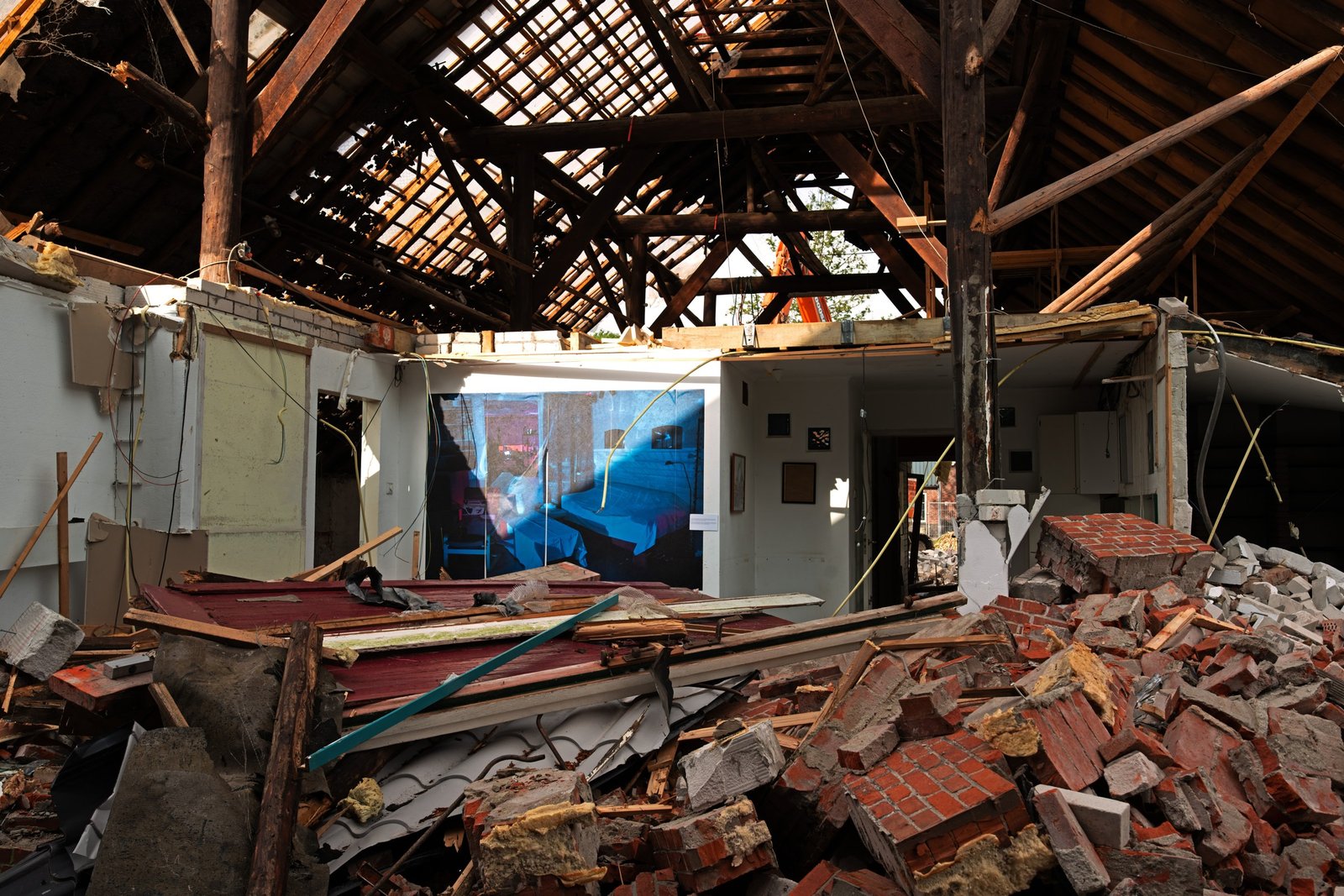
The exposed interior of a demolished house

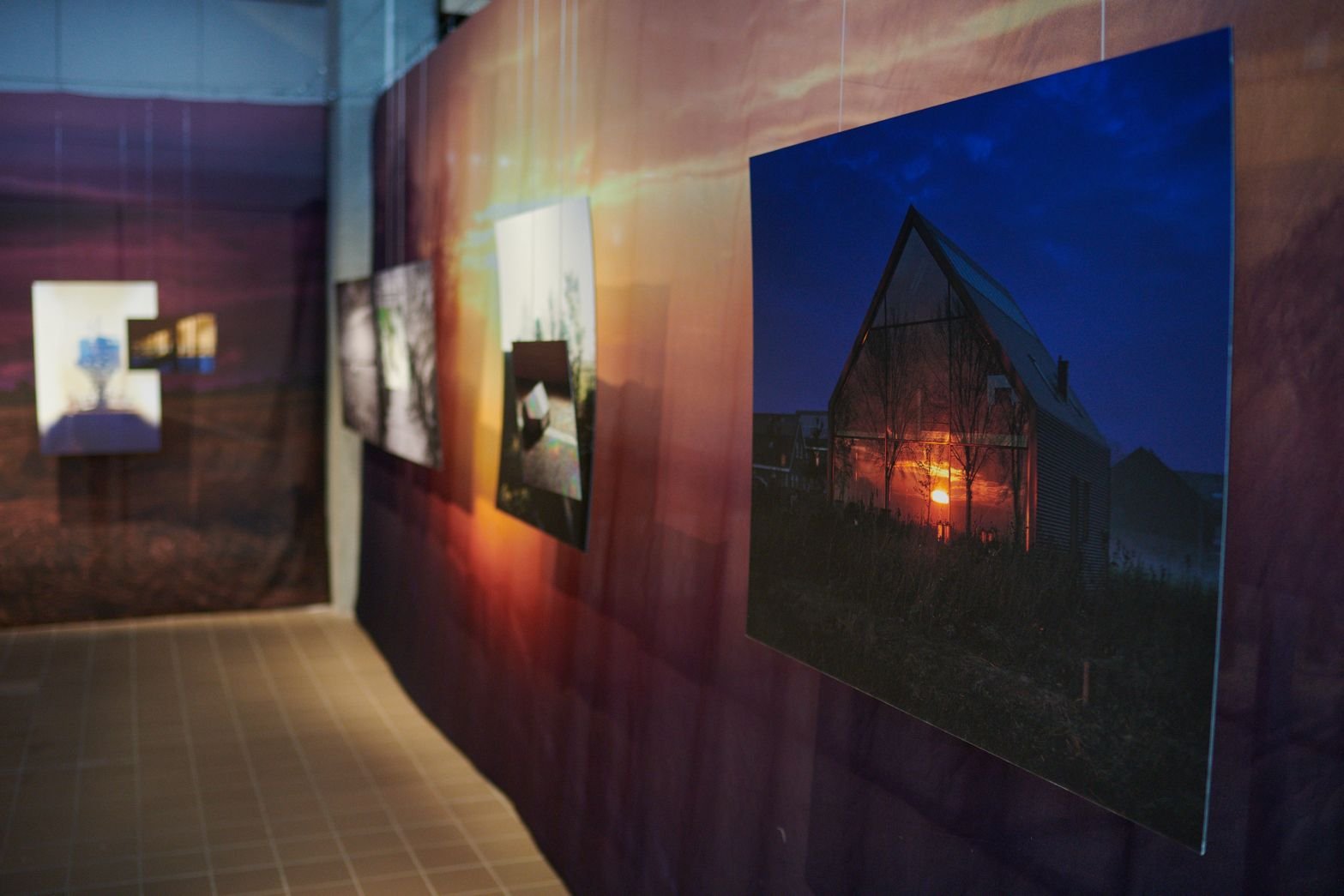
ODE TO HOME – MEERWEG 6 EXHIBITION (OVERSCHILD), 2023

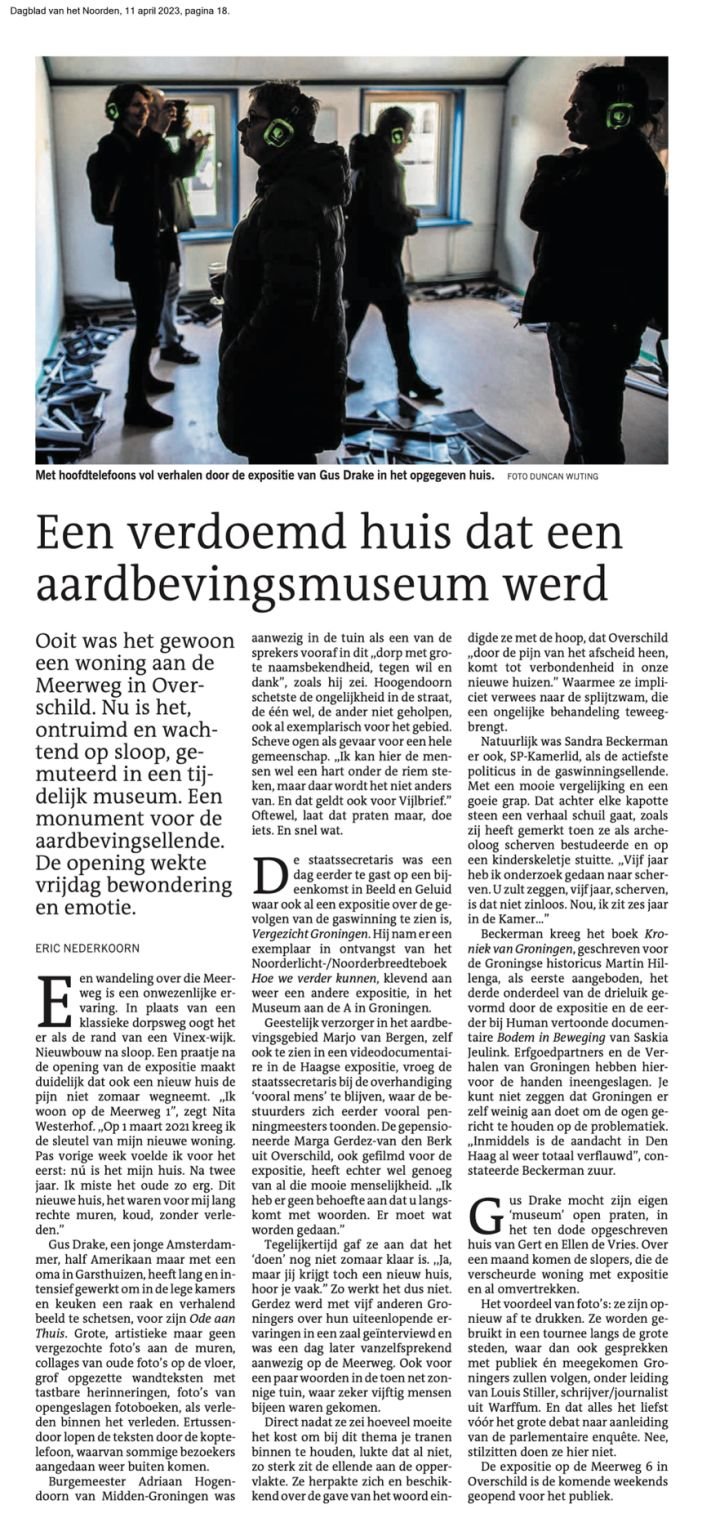
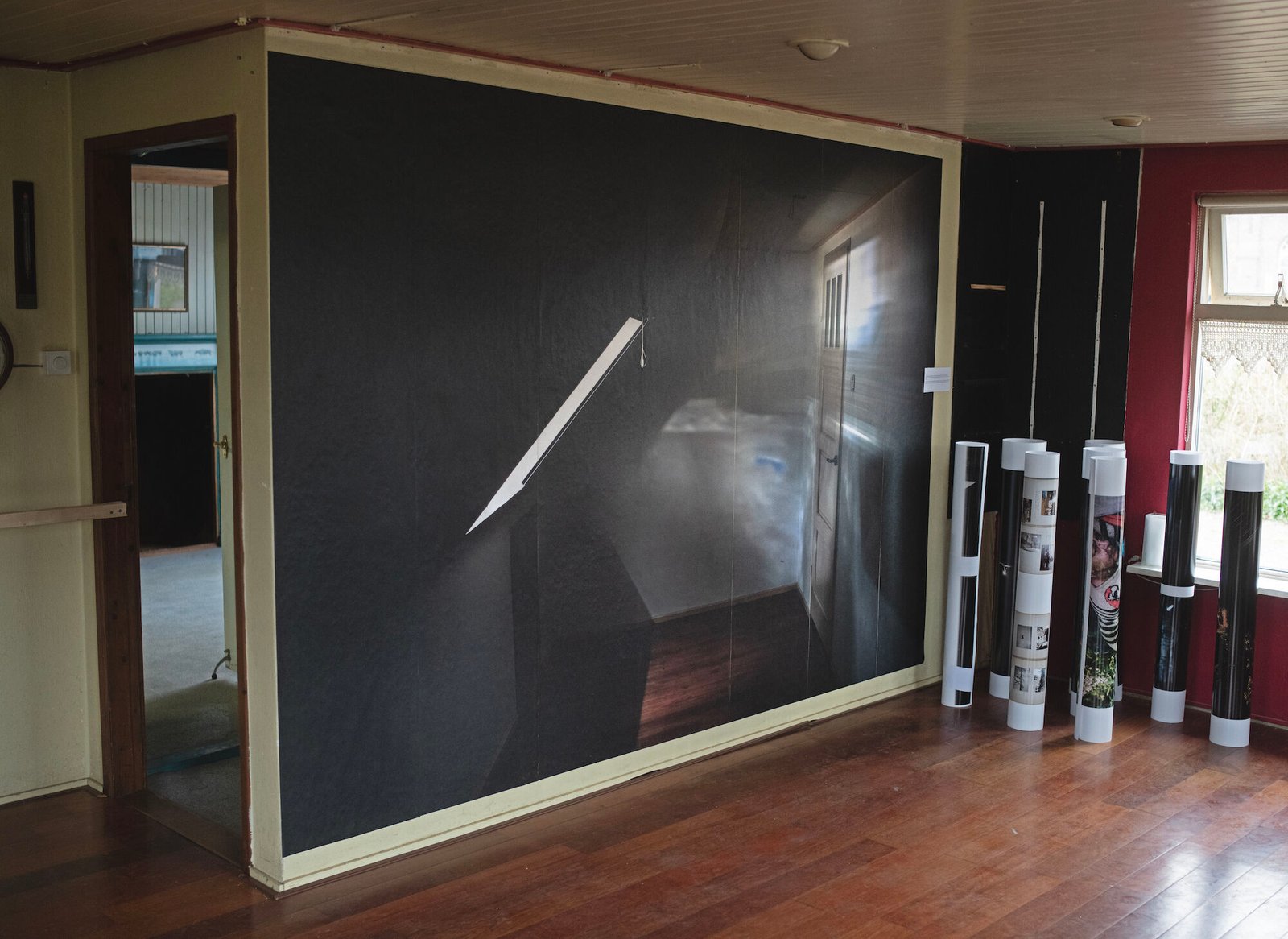
Family photographs taken over several years were printed as wallpaper and installed inside the home at Meerweg 6. The artwork was intentionally left inside to be destroyed during the building’s demolition days later. This act conceptualizes the home as a container of collective memory, interrogating what it means to build a future when local heritage is physically uprooted.

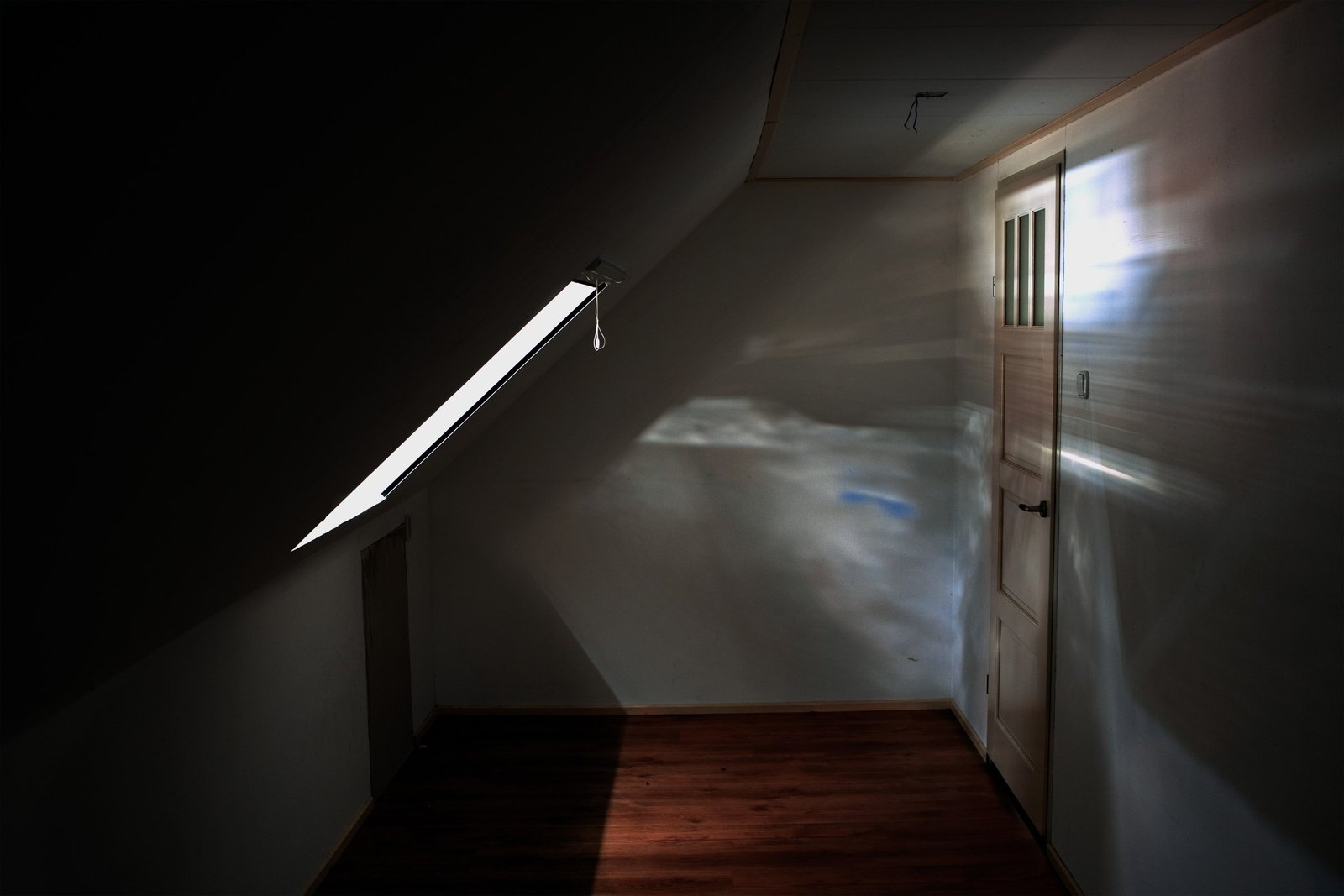
Sunlight entering the interior of a home

ODE TO HOME – LIVING ARCHIVE (OVERSCHILD), 2021–2022

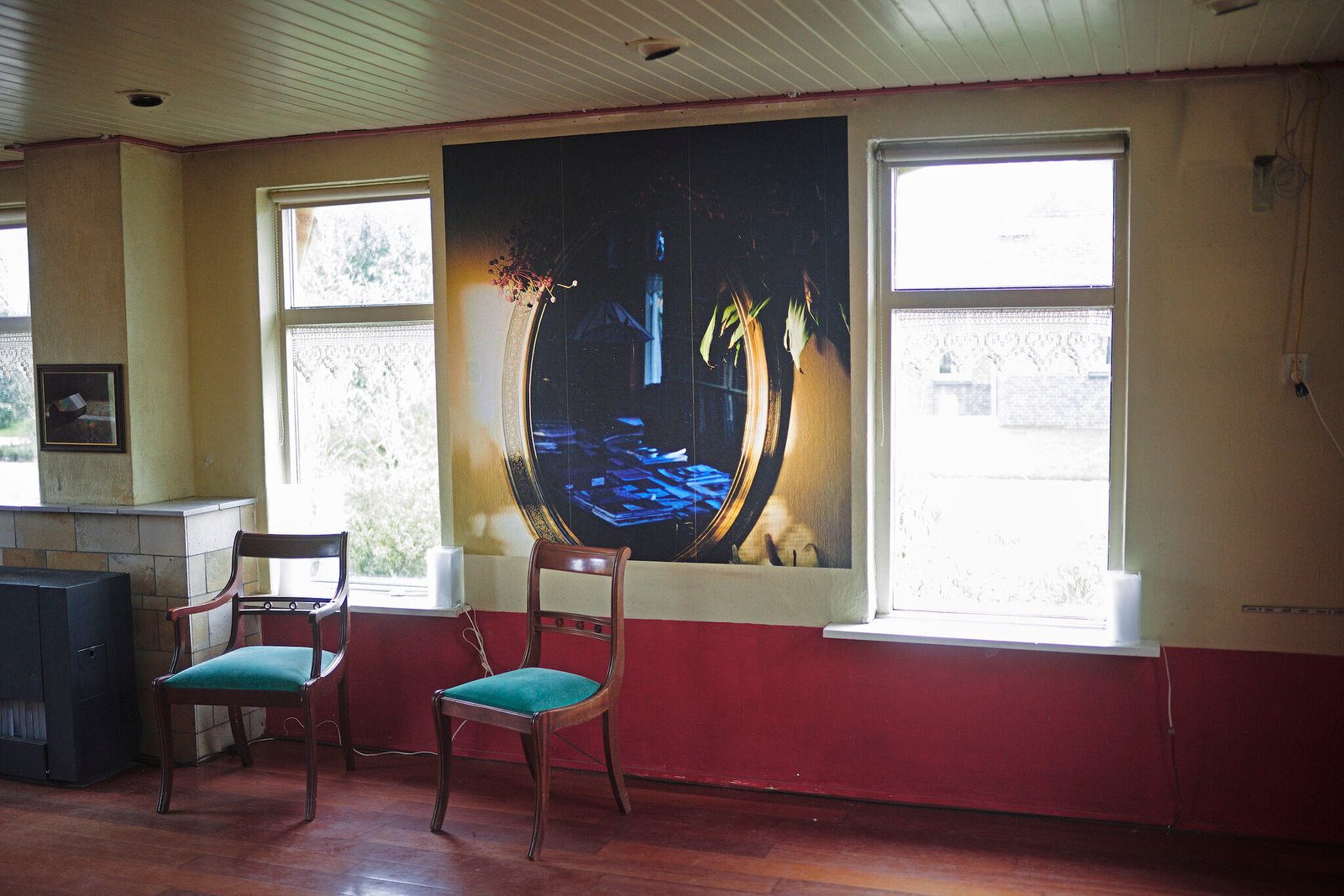
An early methodology in personifying domestic space. The house is converted into a camera obscura to document the lingering presence of its inhabitants. The resulting images contrast warm and cold light, mirroring the limbo of a community caught between their memories and the demolition of their physical heritage.

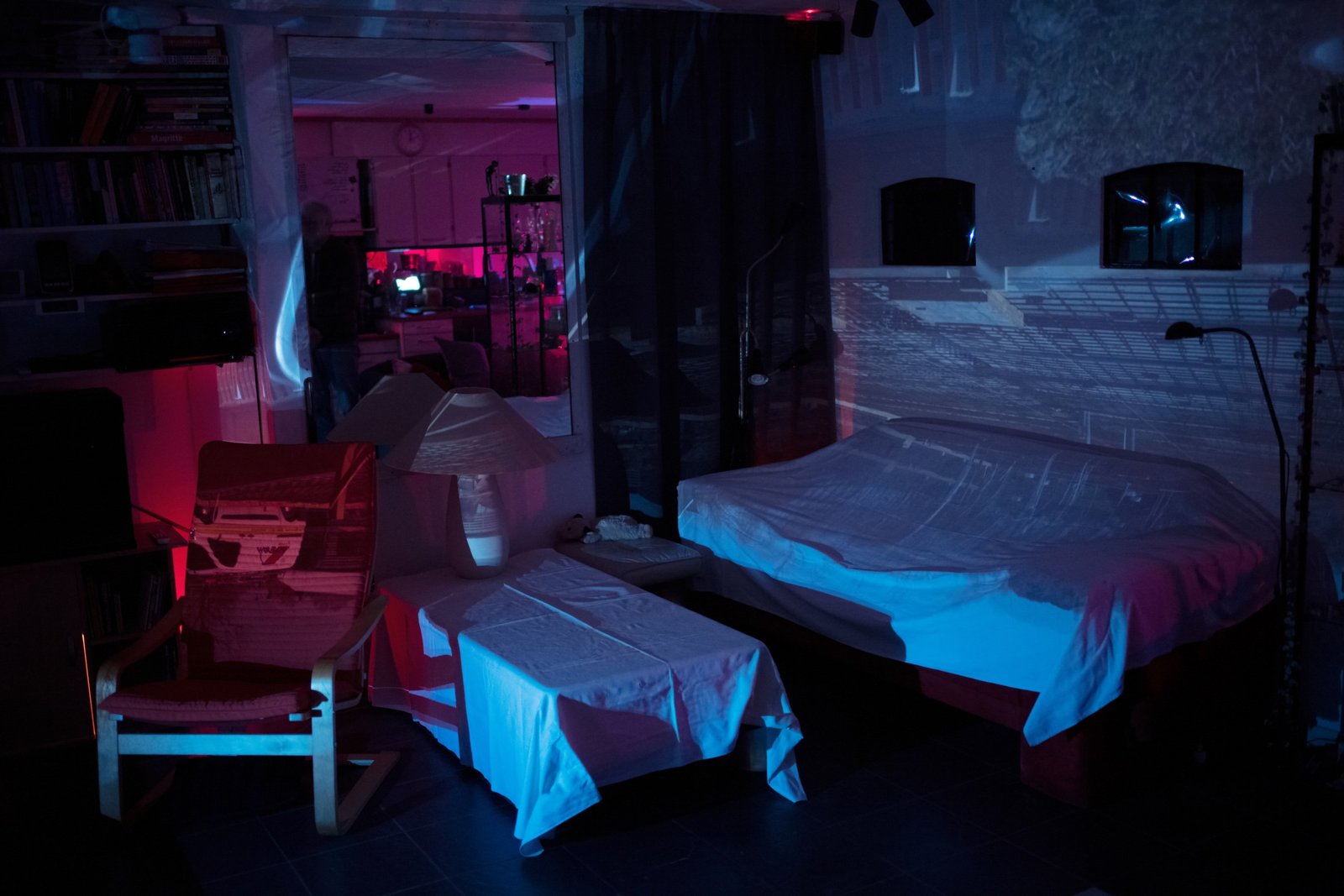
An interior illuminated in blue and red
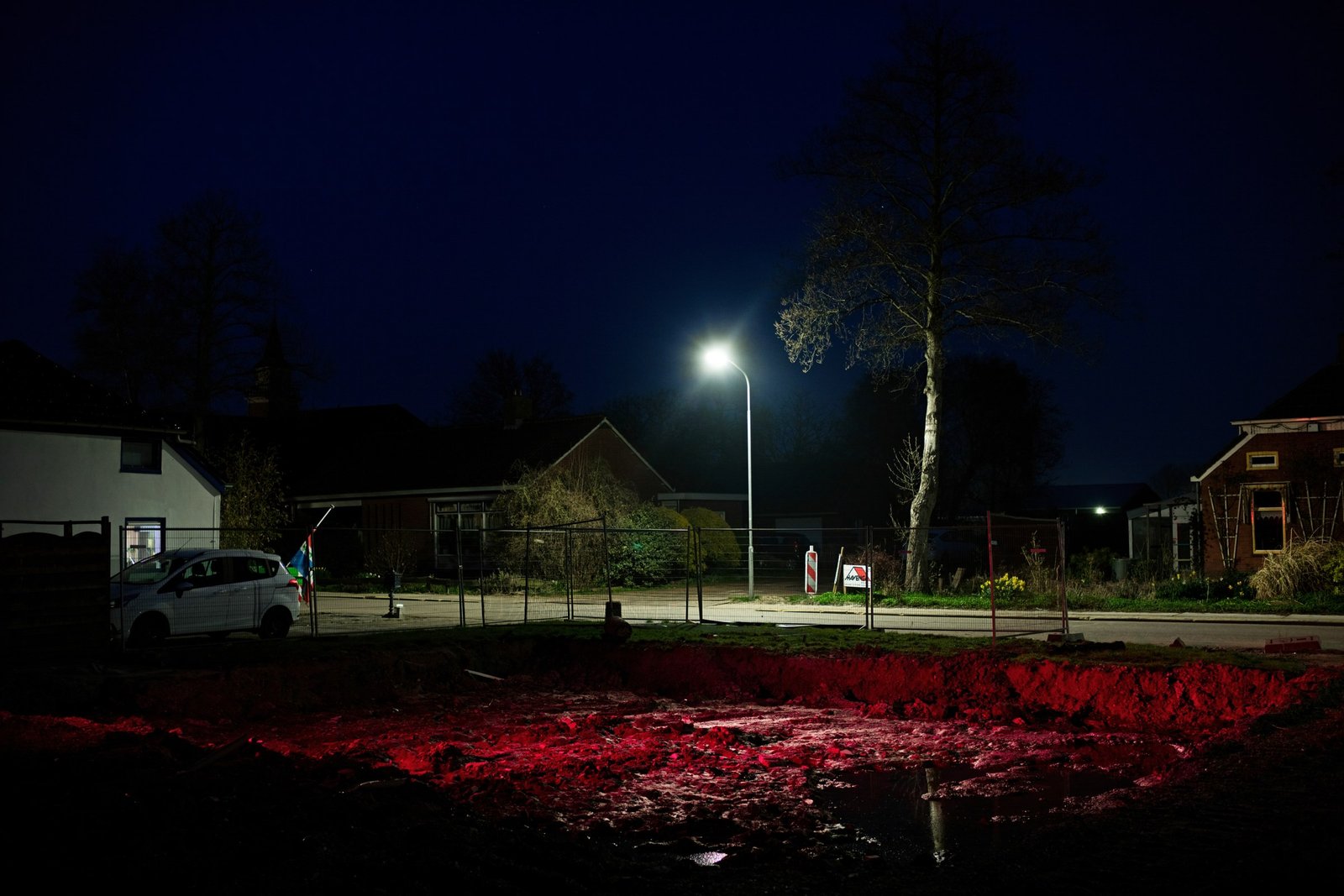
An illuminated street in Overschild at night

ODE TO HOME, VOIDS, 2023

The excavated foundation of a demolished home lit by site-specific red lighting, highlighting the physical and emotional void left in the landscape.

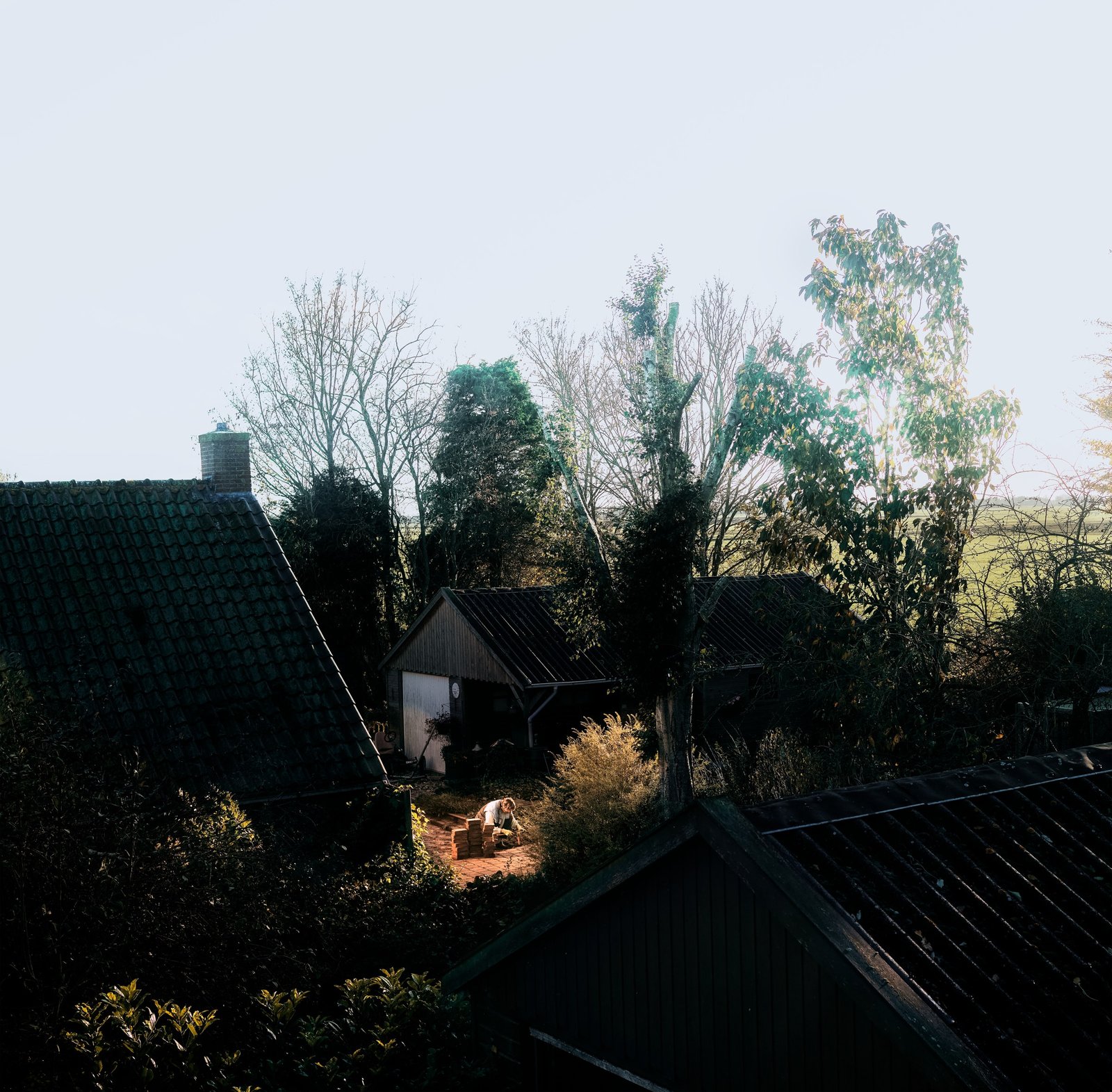
A garden and rooftops seen from above

ODE TO HOME – MEMORY OBJECTS (OVERSCHILD), 2022

A resident of Overschild collects stones from her former home to connect the past with the present. Steeped in history, these bricks act as tangible memory containers. By packing them, she creates a material bridge to the future, bringing the remnants of her old life to lay the foundations of her new home.

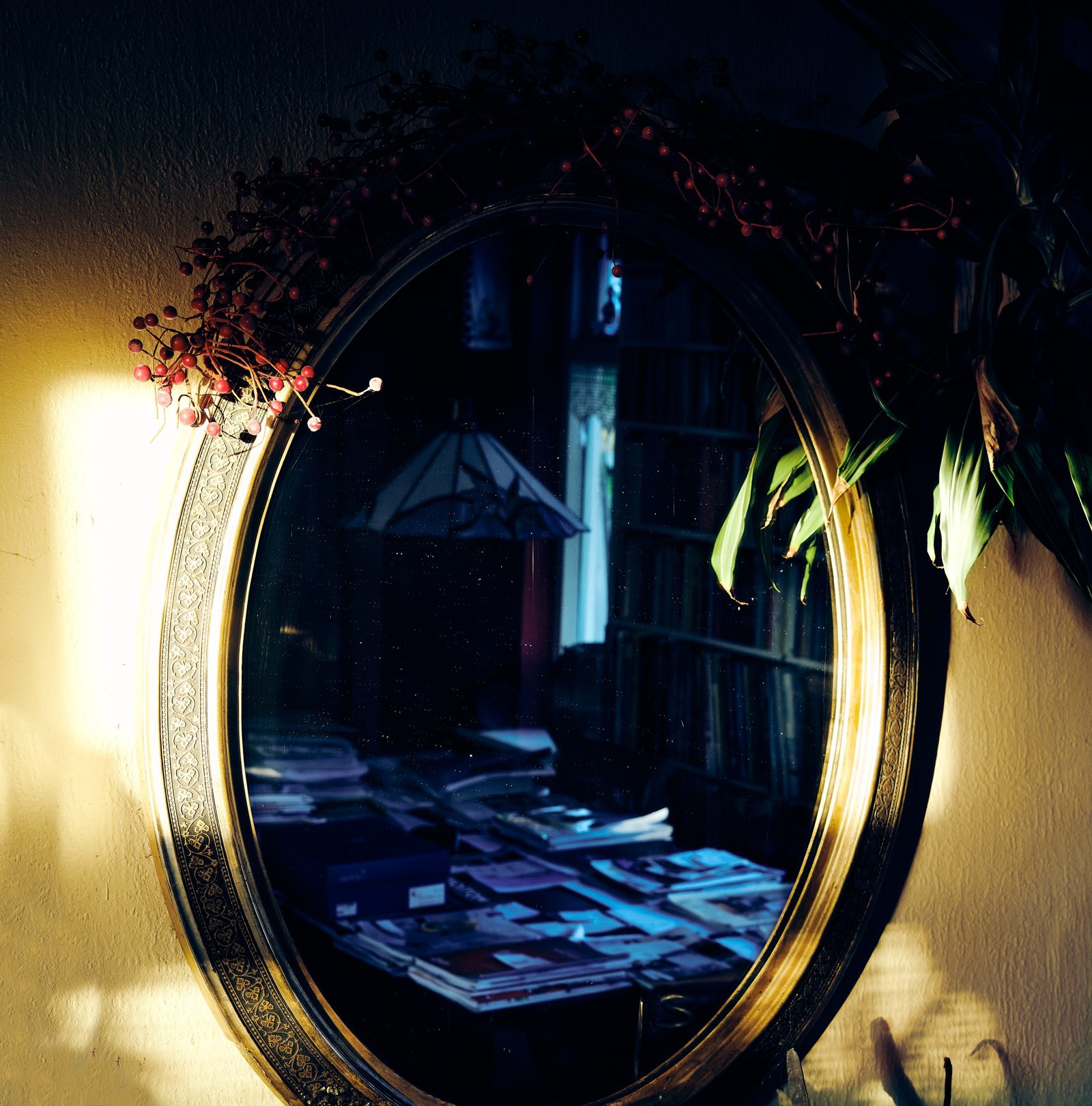
A circular view into an interior
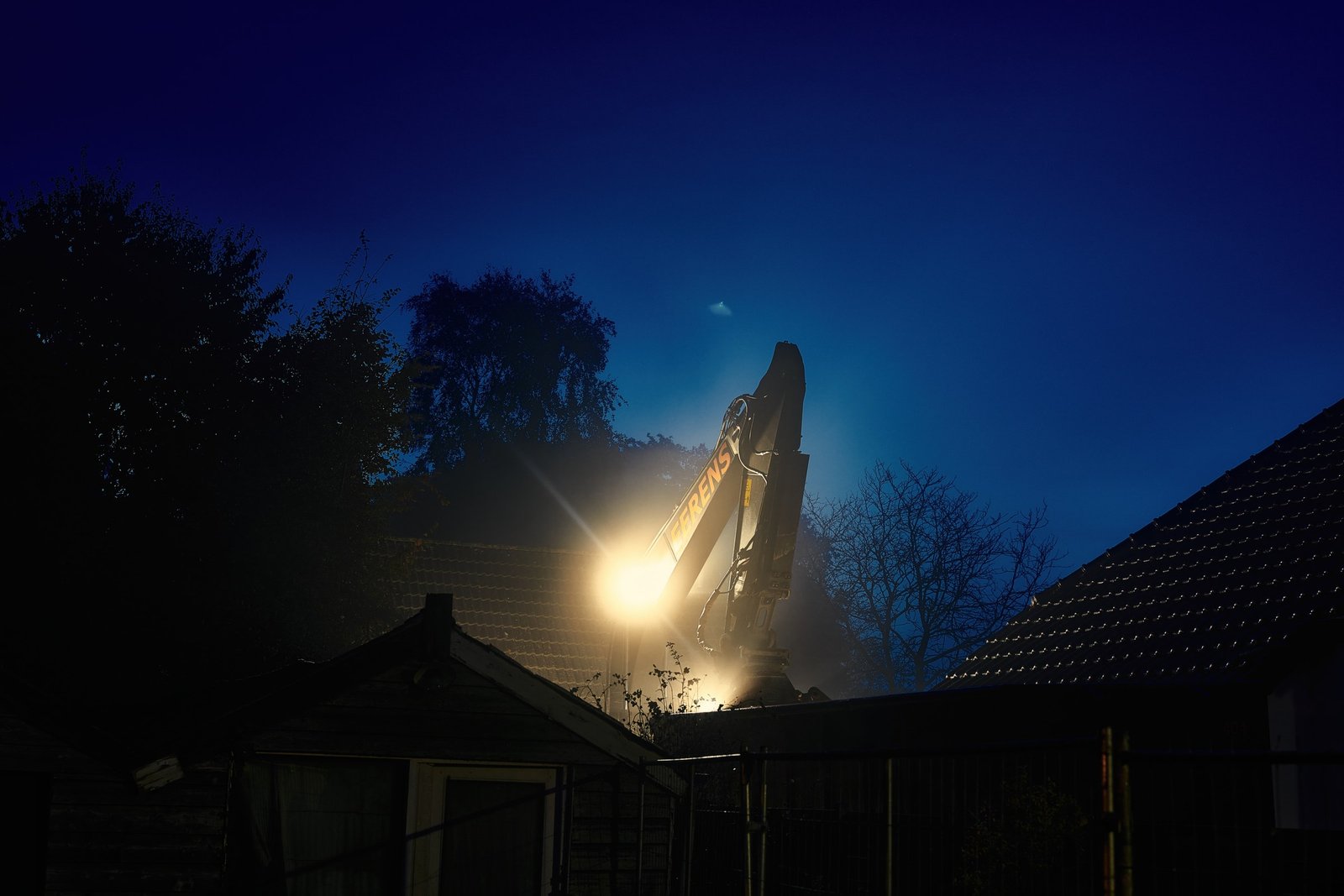
Demolition taking place beneath a night sky

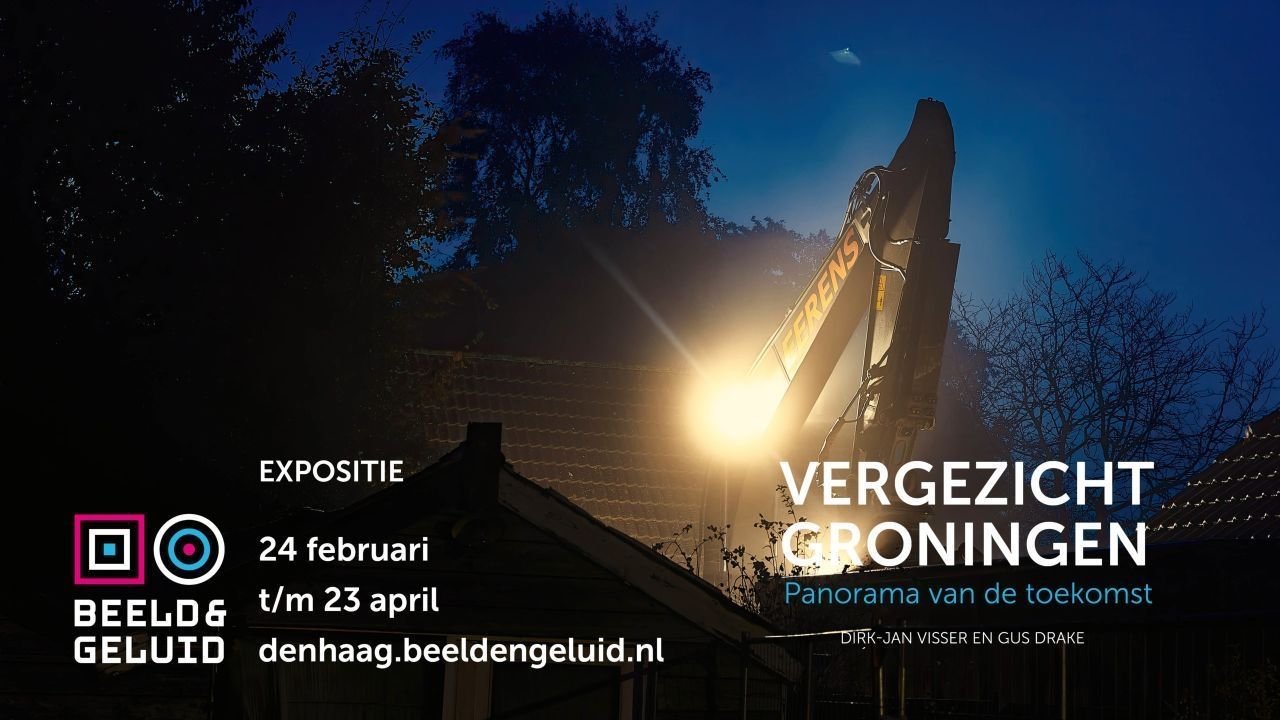
ODE TO HOME – DEMOLITION MORNING (OVERSCHILD), 2023

An excavator illuminated in the early hours of dawn, preparing the site for the day’s demolition work in Overschild.

Talking about
the work

Gus Drake on recording homes, working with residents and the tension between memory and architecture.

Outcomes / impact

2026 · Groninger Museum

4 monthsExhibition at the Groninger Museum
8 headsetsMeta Quest 3 · VR installation
150,000+Visitors to the exhibition
Visitor experiencing VR beside the large LiDAR scan
Reconstructed homes in VRGroninger Museum · 2026
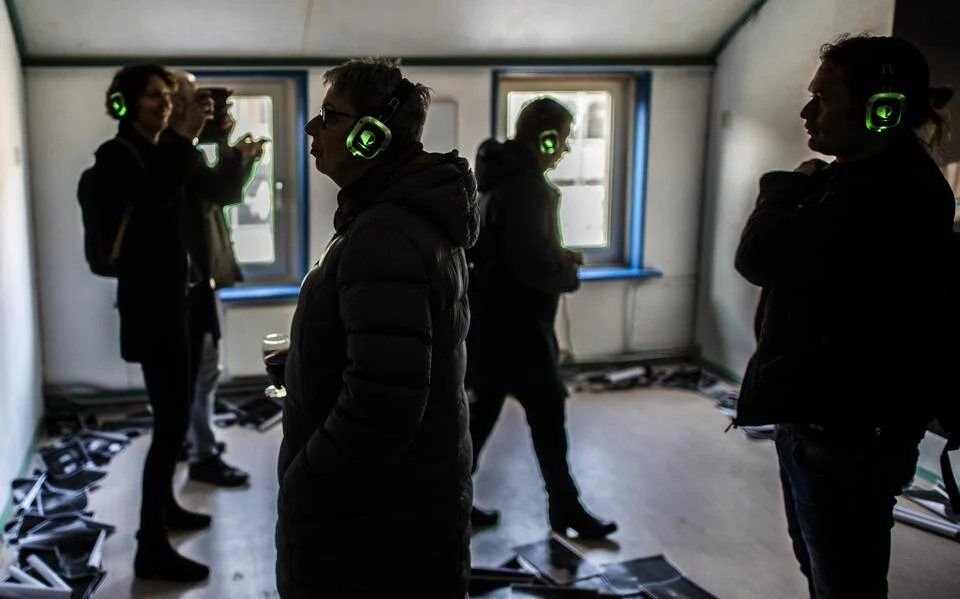
Visitors wearing VR headsets among brick fragments
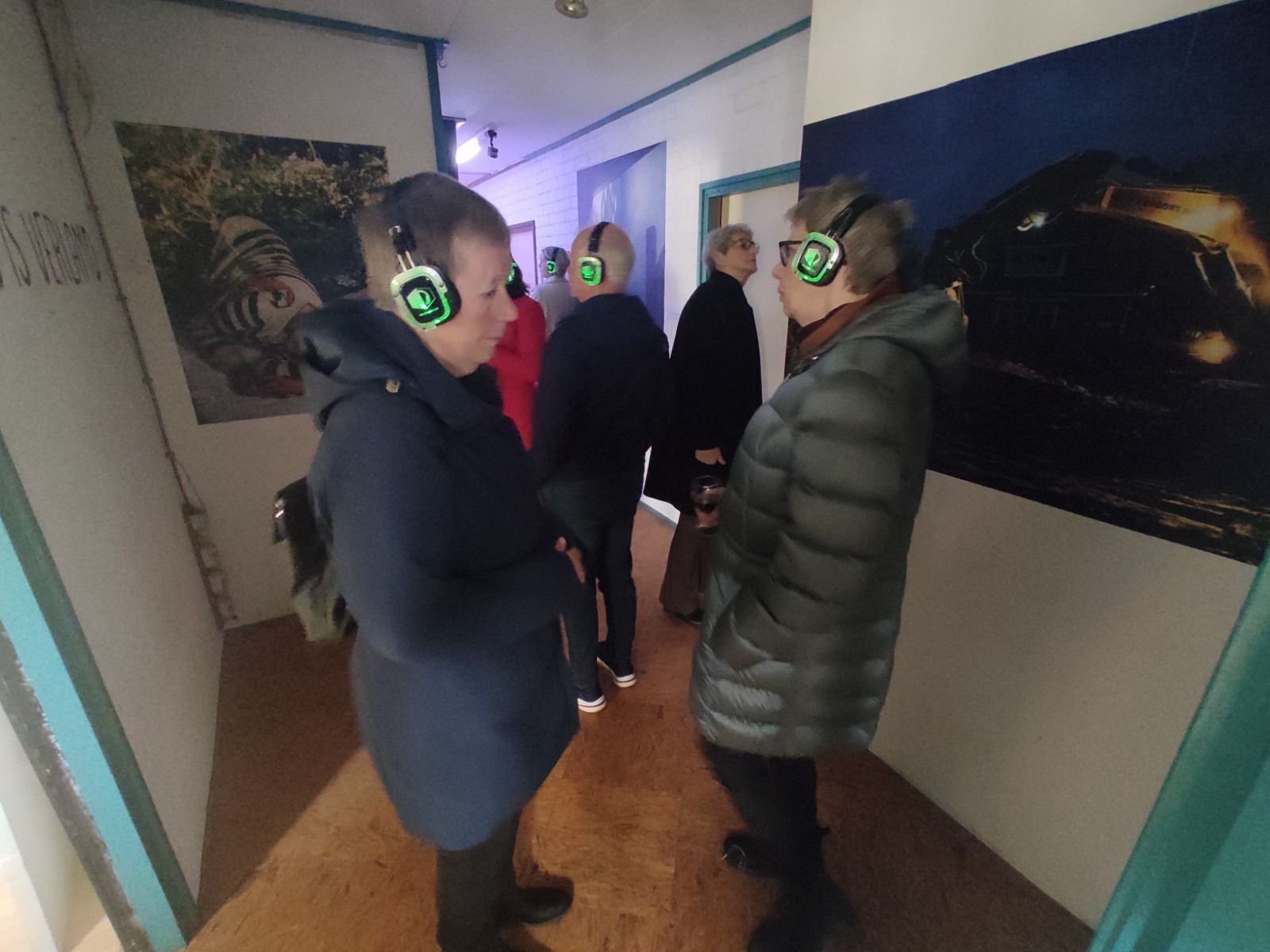
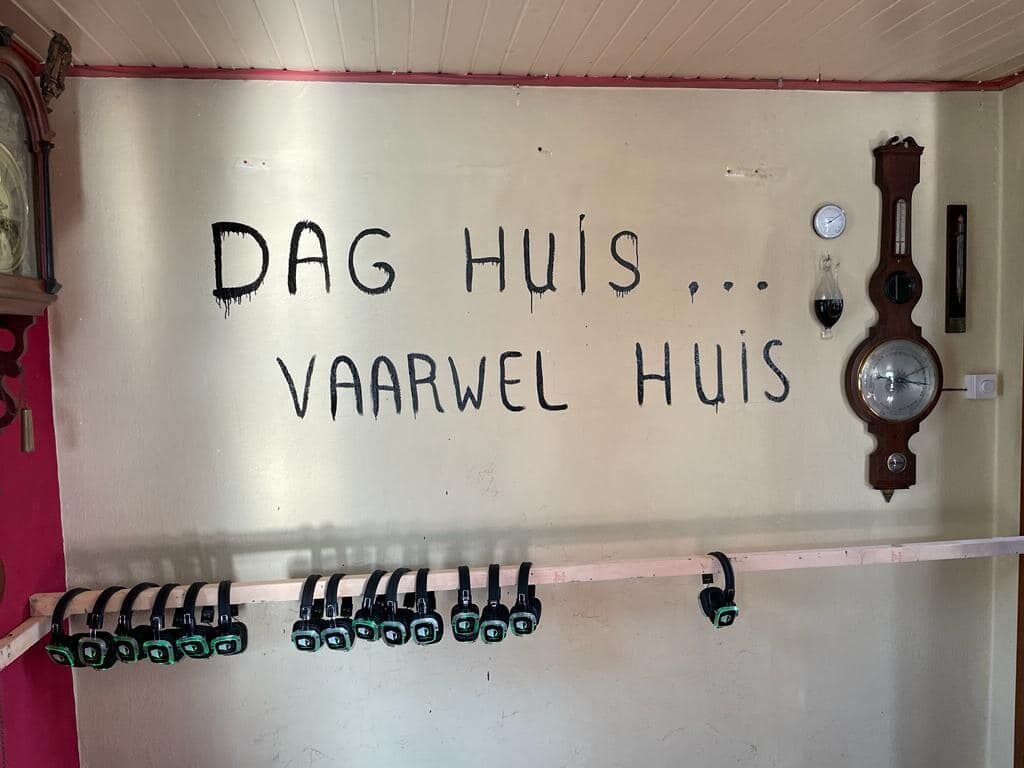
Visitors inside the workVR headsets and fragments of demolished homes
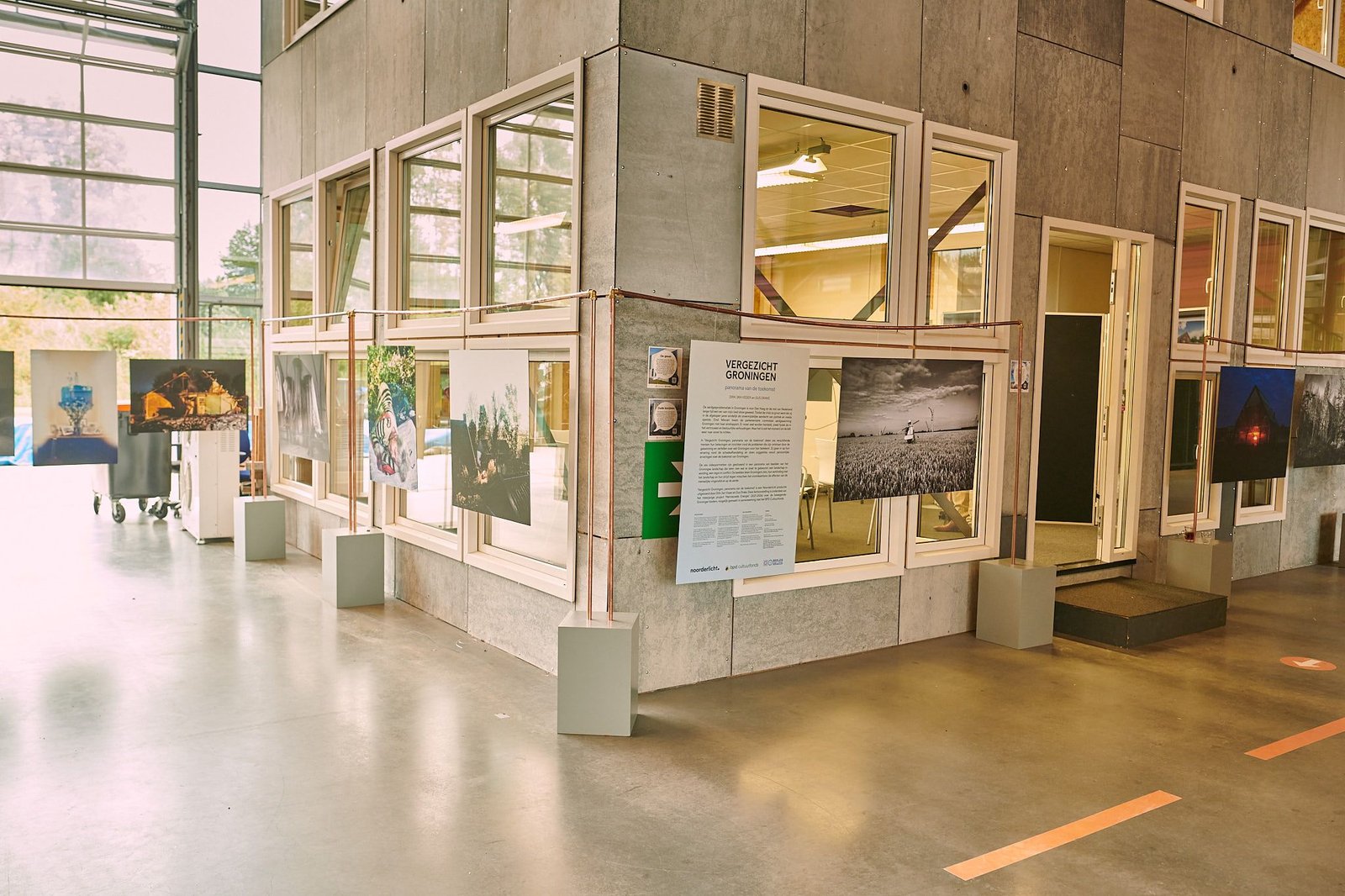
Installation with screens and VR headsets
Installation viewPhotographs, scans and moving images

Partners

BPD CultuurfondsNationaal Programma GroningenZorg KwartierGemeente Midden-GroningenGroninger MuseumErfgoedpartnersVerhalen van GroningenPakhuis de ZwijgerMondriaan Fonds
Scroll to Top