New Horizon Initiative
Art · Ecology · Machine vision
Beyond the
human viewpoint.
At the intersection of art, ecology and machine vision, New Horizon Initiative explores how art can expand our imagination and advocate for the positioning of non-human life within human systems.
The initiative explores landscapes through a non-human lens, bringing ecologists, data analysts and computer vision specialists into dialogue through artistic research. Field photography, environmental data and computational image-making become ways to interpret the needs and relationships of other living beings, and to imagine how their interests might shape the landscapes we share.
By challenging an anthropocentric perspective, New Horizon Initiative proposes an ecocentric view: one in which human needs are understood within a wider web of ecological relationships. Through images, research and public encounters, the work seeks to mobilise environmental stewardship, contribute to efforts against biodiversity loss, and make space for non-human life in cultural, organisational and political decision-making.
Co-founded by Gus Drake and Dirk-Jan Visser in 2022, the initiative draws on the Rights of Nature movement to ask whose lives, needs and futures are represented within the systems we build.
One landscape.
Multiple perspectives.
Visible-light photography, thermal infrared imaging and ultraviolet studies reveal different registers of the desert, expanding how we observe its landscapes and living beings.
These field observations form part of the research behind the initiative’s speculative landscapes.
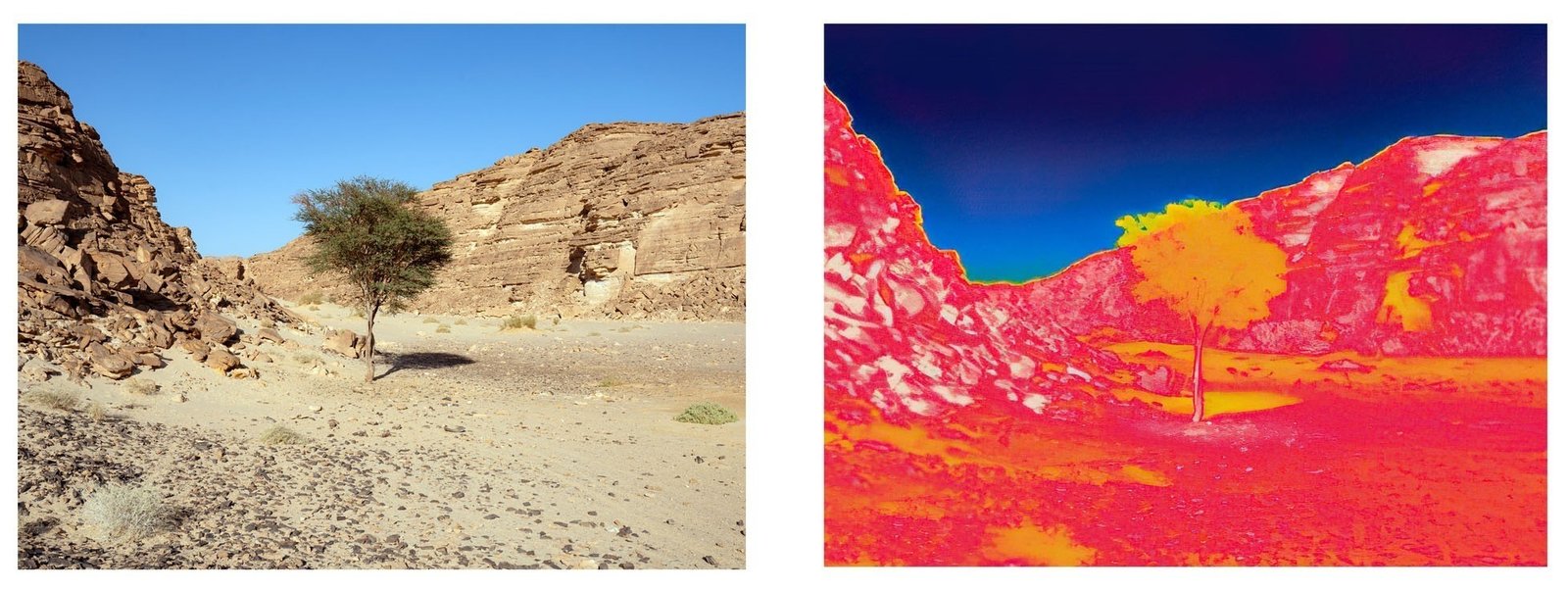
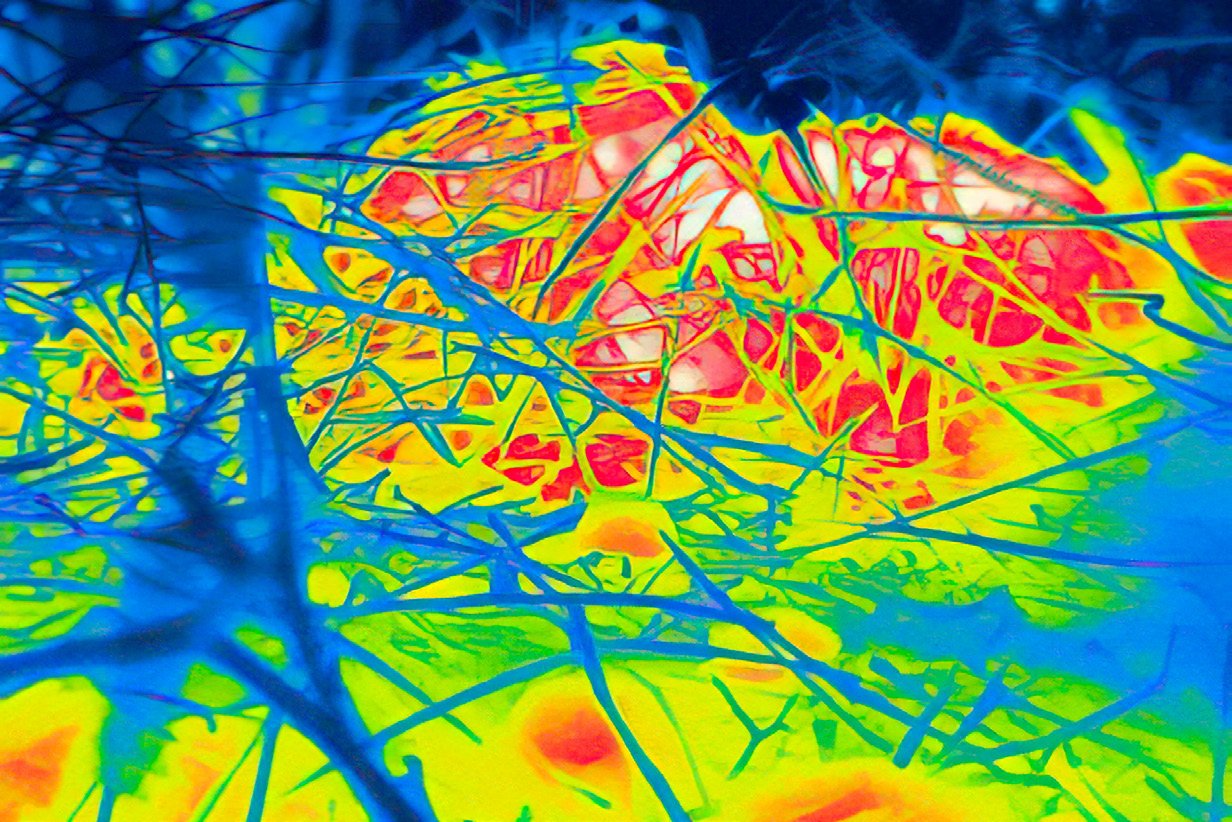
Thermal infrared.
Temperature becomes another way of reading the relationships between vegetation and its surroundings.
Ultraviolet perspectives.
A triptych moves from the plant in its habitat to floral detail and an exploration of the ultraviolet spectrum.
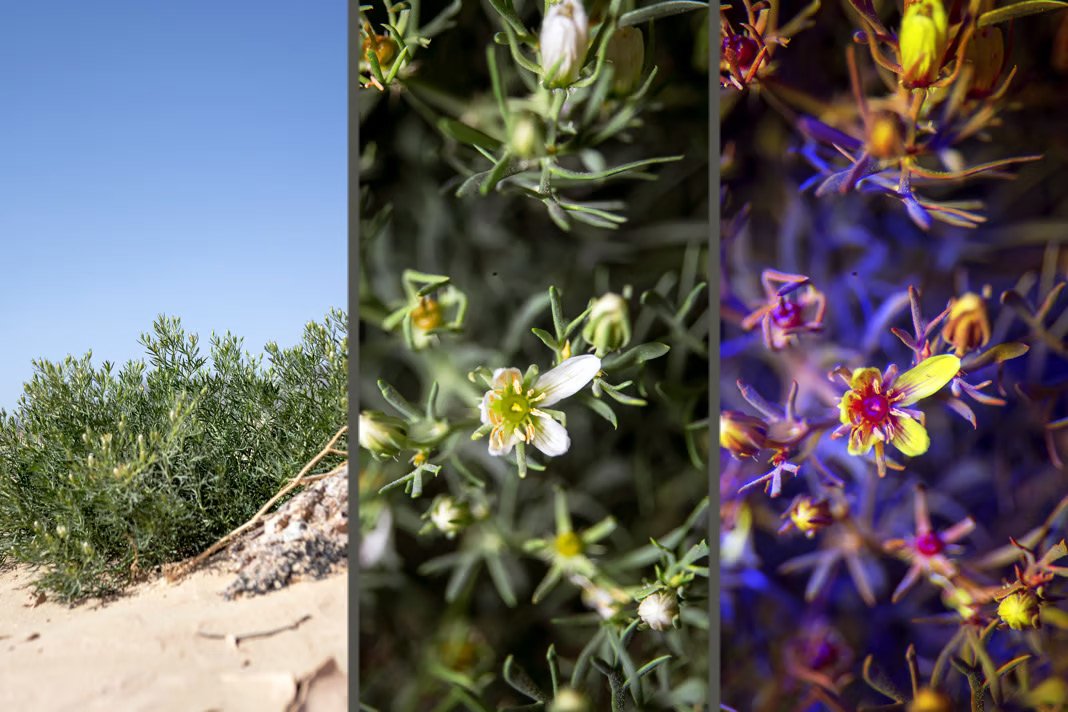
Photo by Dirk-Jan Visser
Observing
the desert.
The work began by photographing non-human stakeholders across Southern Sinai, guided by ecologist Mohamed Zakaria Hatim’s ecological knowledge and classification systems.
An archive of 10,000 field photographs records the desert’s plants, animals and terrain. These observations became the foundation for imagining landscapes through the needs of their inhabitants.
Field photographs


Imagining through
non-human perspectives.
The photographic datasets were used to train a custom-coded version of Stable Diffusion, producing more than ten models corresponding to high-, mid- and low-altitude desert regions.
Each model was trained for more than 100 hours. Together, they form a set of tools for exploring the environmental conditions needed to support the wellbeing of the desert’s flora and fauna.
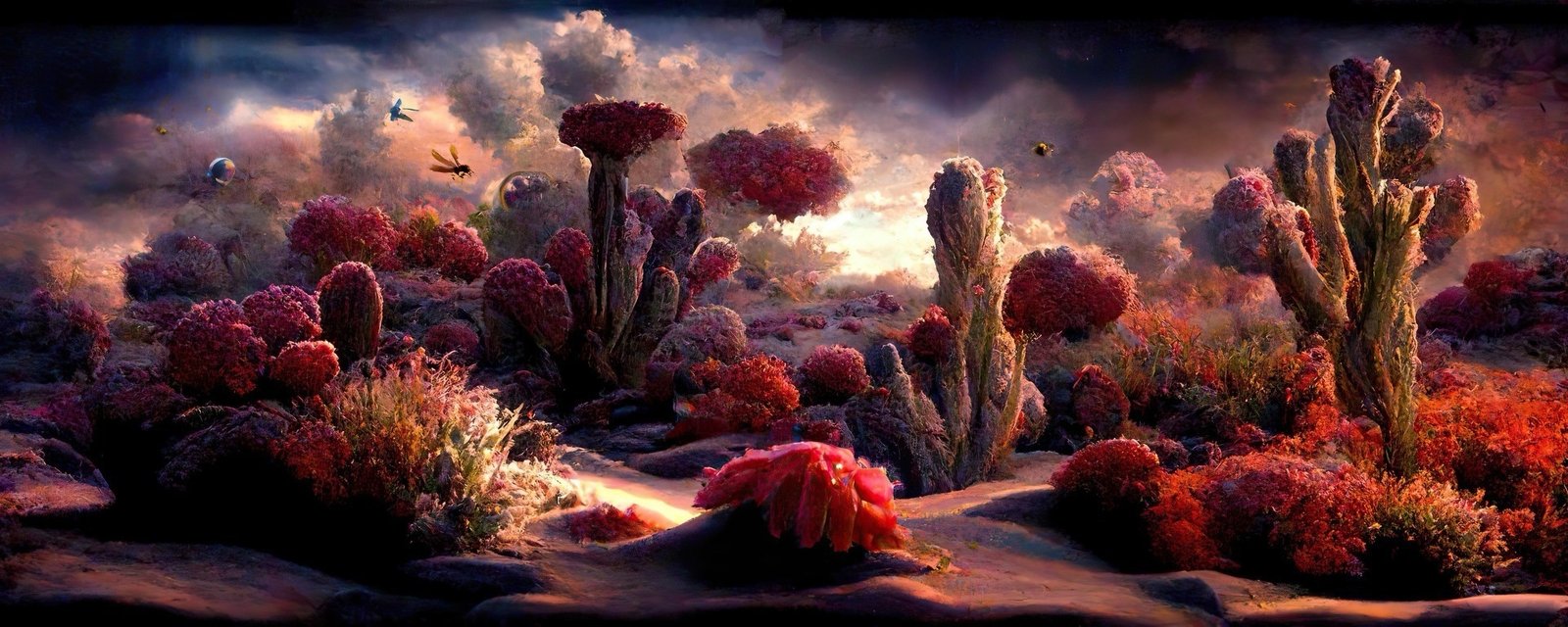
Elysian Desert.
Using the trained models, we began constructing a panorama of the Southern Sinai desert. Through image inpainting and digital painting, the master canvas was woven together from more than 300 layers.
The landscape considers the desert’s different altitudes and the conditions its flora and fauna need to sustain and propagate life. It serves as both a speculative landscape and a parallel landscape: an imagined world shaped around the needs of its non-human stakeholders.
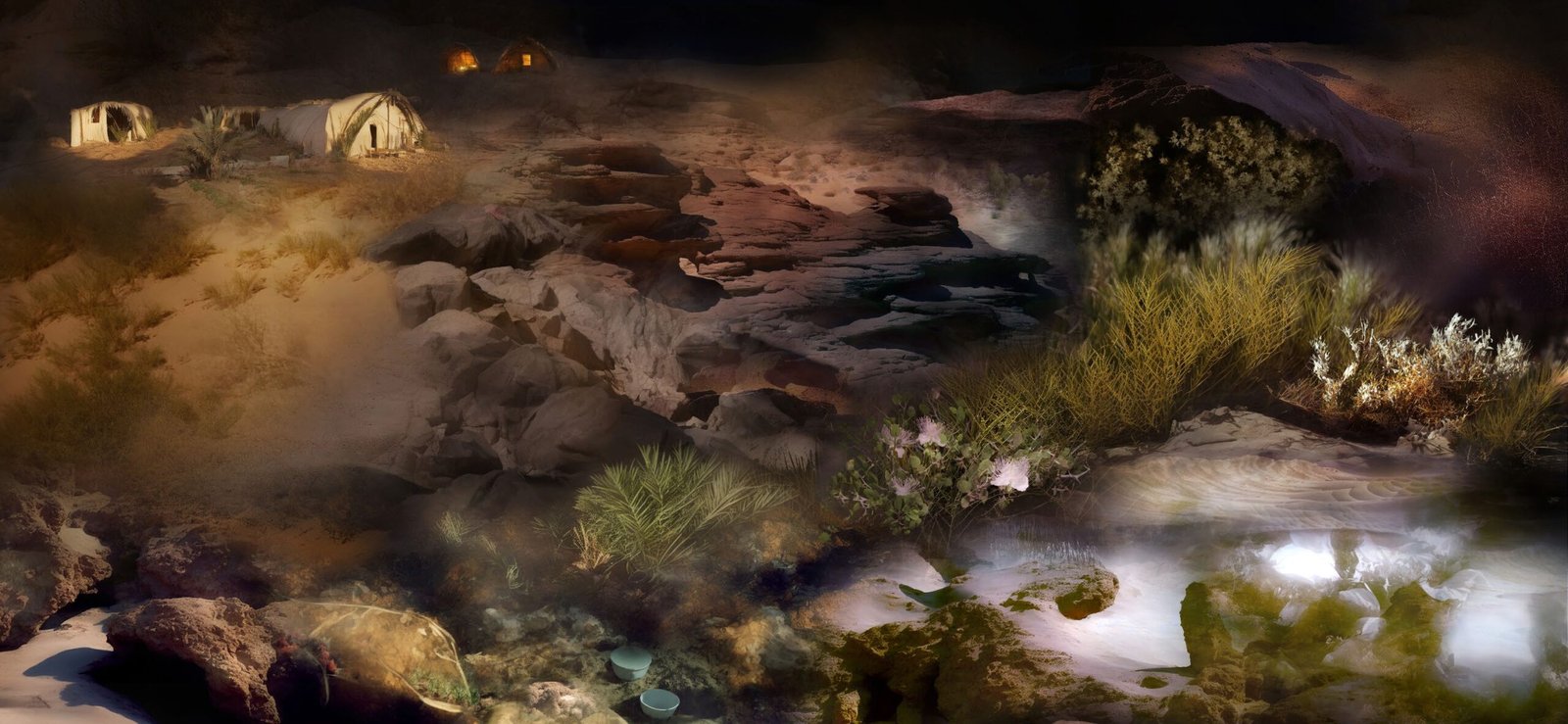
View the full-resolution panorama ↗
Watch The Sinai Experiment
Watch on Vimeo ↗New Polder.
New Polder is a digital twin landscape constructed from environmental data and photographs.
The work explores habitat conditions for the stoat and potential future inhabitants such as Montagu’s harrier, asking how their needs might shape a landscape’s future.
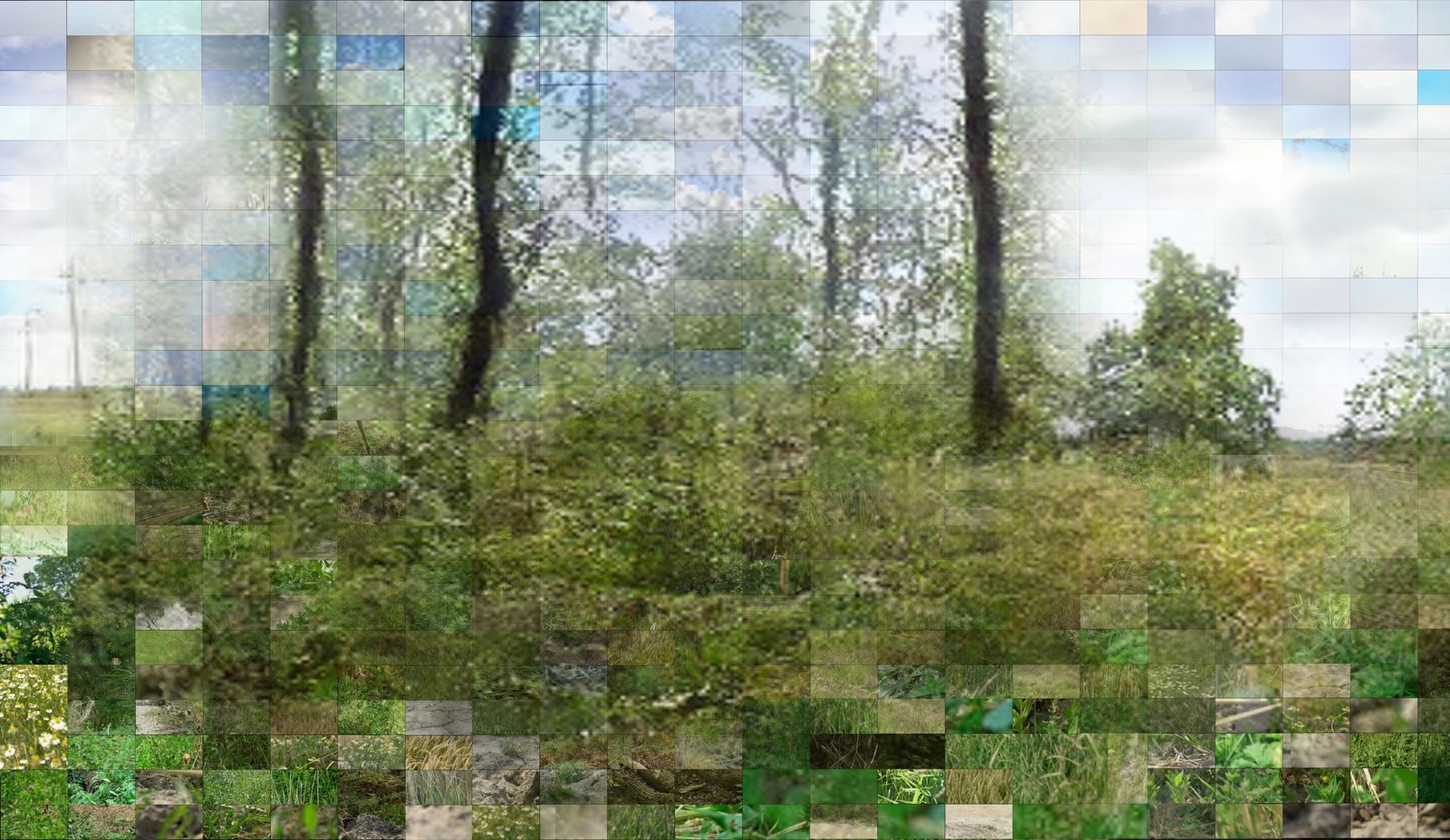
A meeting
of disciplines.
Ecological knowledge, machine learning, spatial image-making and sound come together through artistic research.
Each discipline brings a different way of observing and interpreting a landscape. In dialogue, they open up possibilities for imagining environments through the needs of non-human life.
Gus Drake
Co-founder & art director
Steven Silvers
Music composer
Mohamed Z. Hatim
(Zakaria), PhD
Desert ecologist
Marianna Ohanyan
Machine learning specialist
Freddy Peters
3D specialist
Aart Jan van der Linden
Digital developer & VR specialist
Presentations &
exhibitions.
 2022
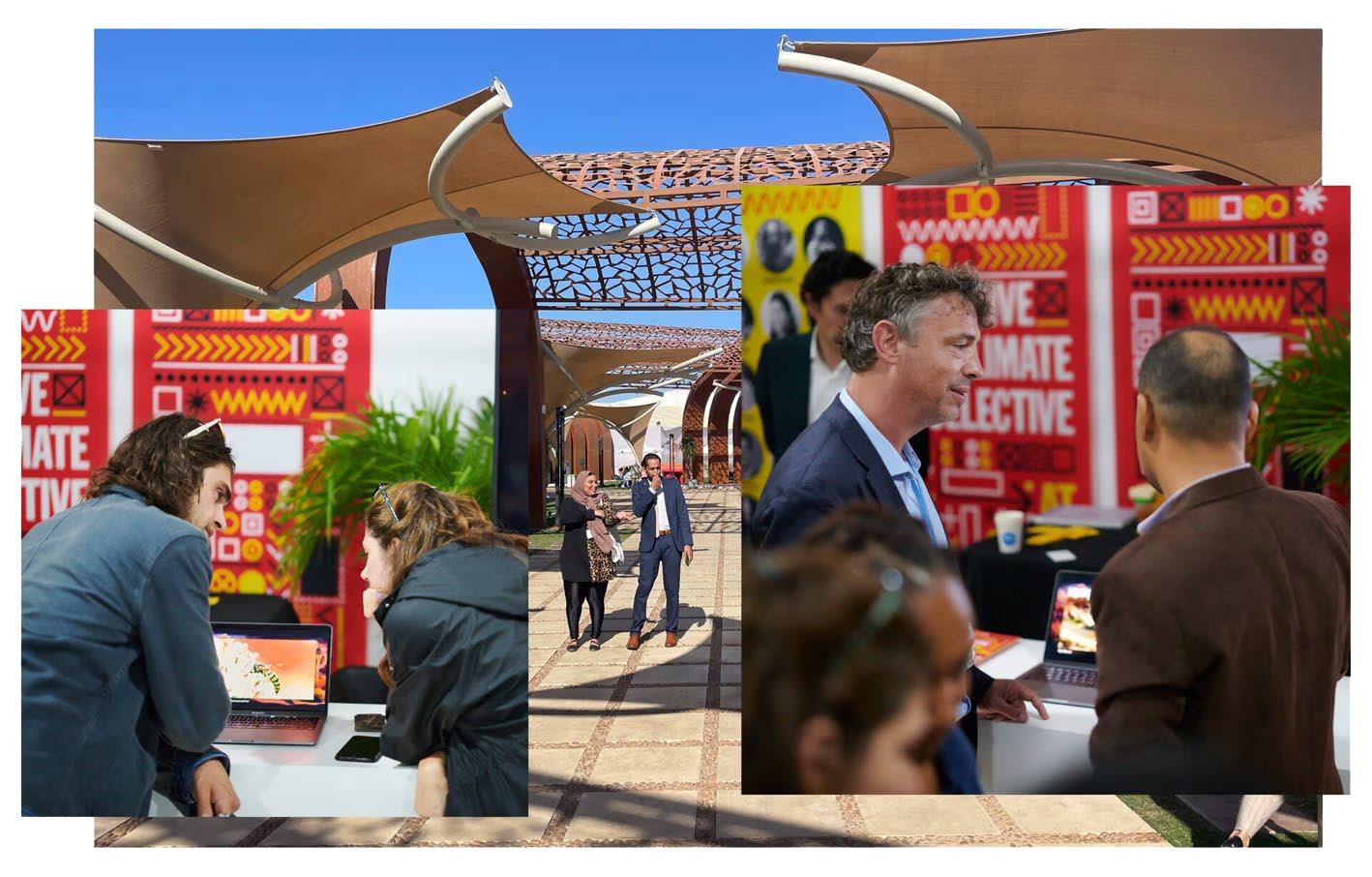
UN Climate Change Summit · COP27
Sharm el-Sheikh, Egypt
As part of the Creative Climate Coalition, we presented a prototype of the New Horizon method to politicians and policymakers, imagining how the resort could have been designed around the interests of insects, reptiles, mammals and birds.
 2023
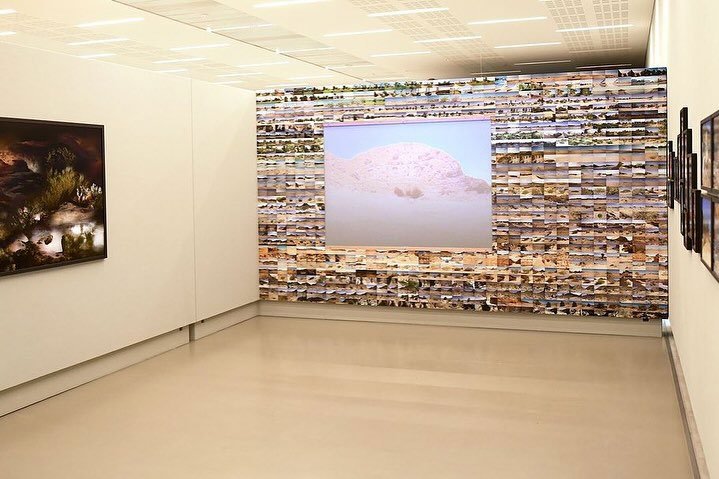
Noorderlicht · Regenerate
Museum Belvédère · Heerenveen, the Netherlands
Elysian Desert was exhibited at Museum Belvédère as part of Noorderlicht’s international photography festival, Regenerate.
 2023
Dutch Design Week
Eindhoven, the Netherlands
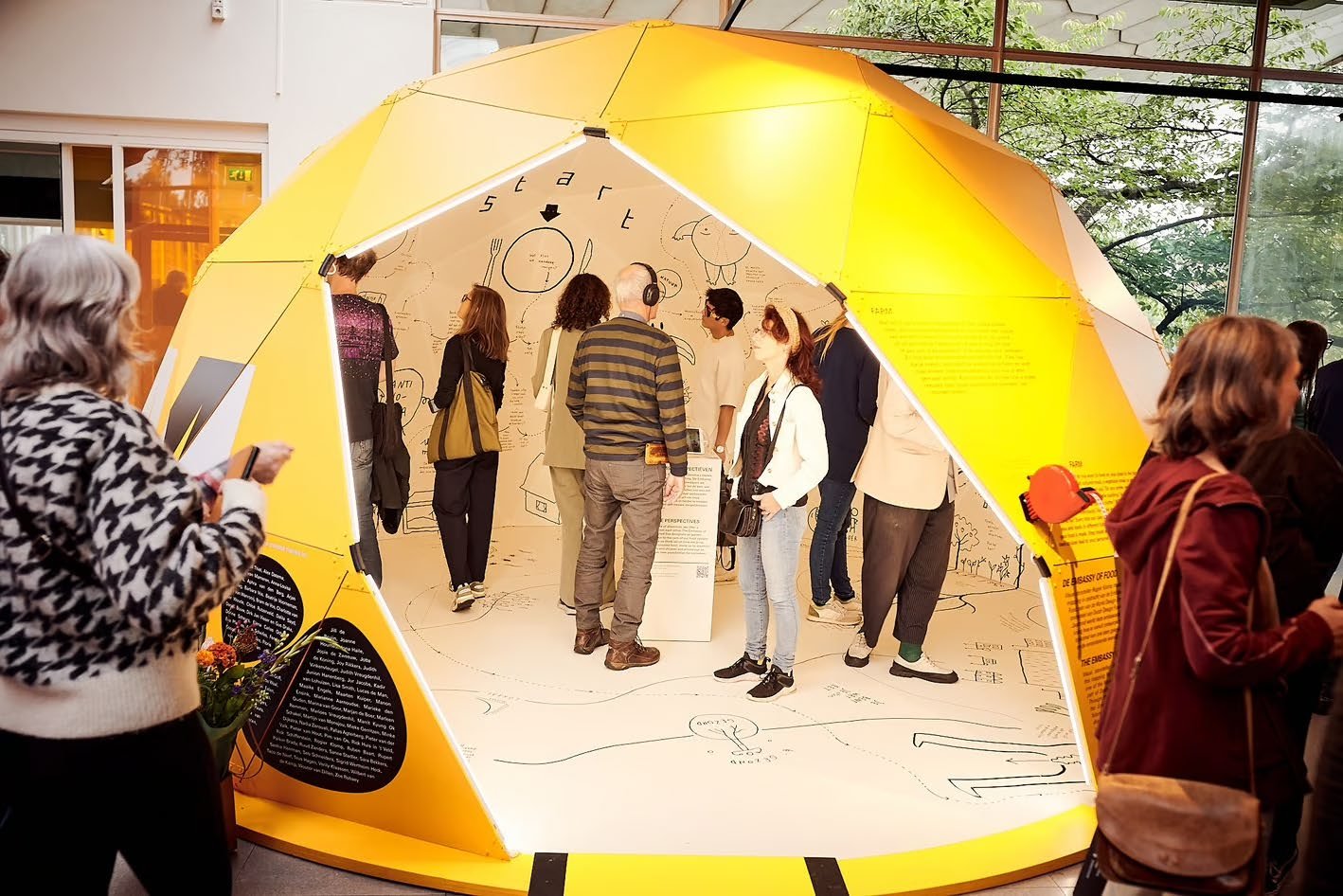
Within Next Nature’s Space Farming exhibition, we explored for the Embassy of Food how Dutch agriculture might look through the perspectives of different plants and animals, including Montagu’s harrier.
 What Design Can Do
TED Talk at Het Concertgebouw
Amsterdam, the Netherlands
A talk at Het Concertgebouw in Amsterdam, presented as part of What Design Can Do.
 Conference · Amersfoort
IPO Conference
Amersfoort, the Netherlands
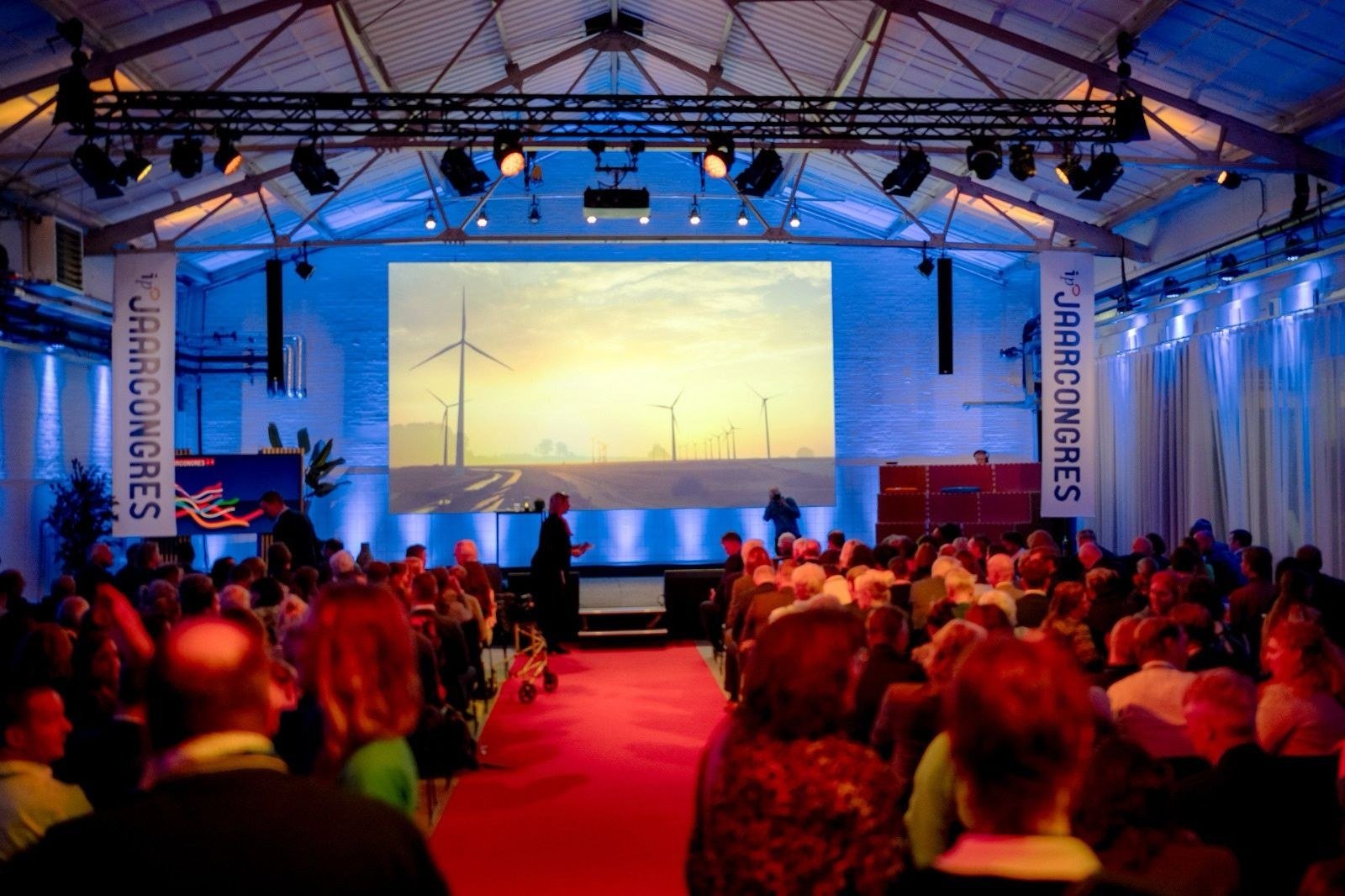
A film screening during the plenary opening, followed by a panel discussion and a workshop with Dirk-Jan Visser on bringing non-human perspectives into decision-making through AI.
 Workshop · Leiden
Leiden University
MA Environmental Humanities · Leiden, the Netherlands
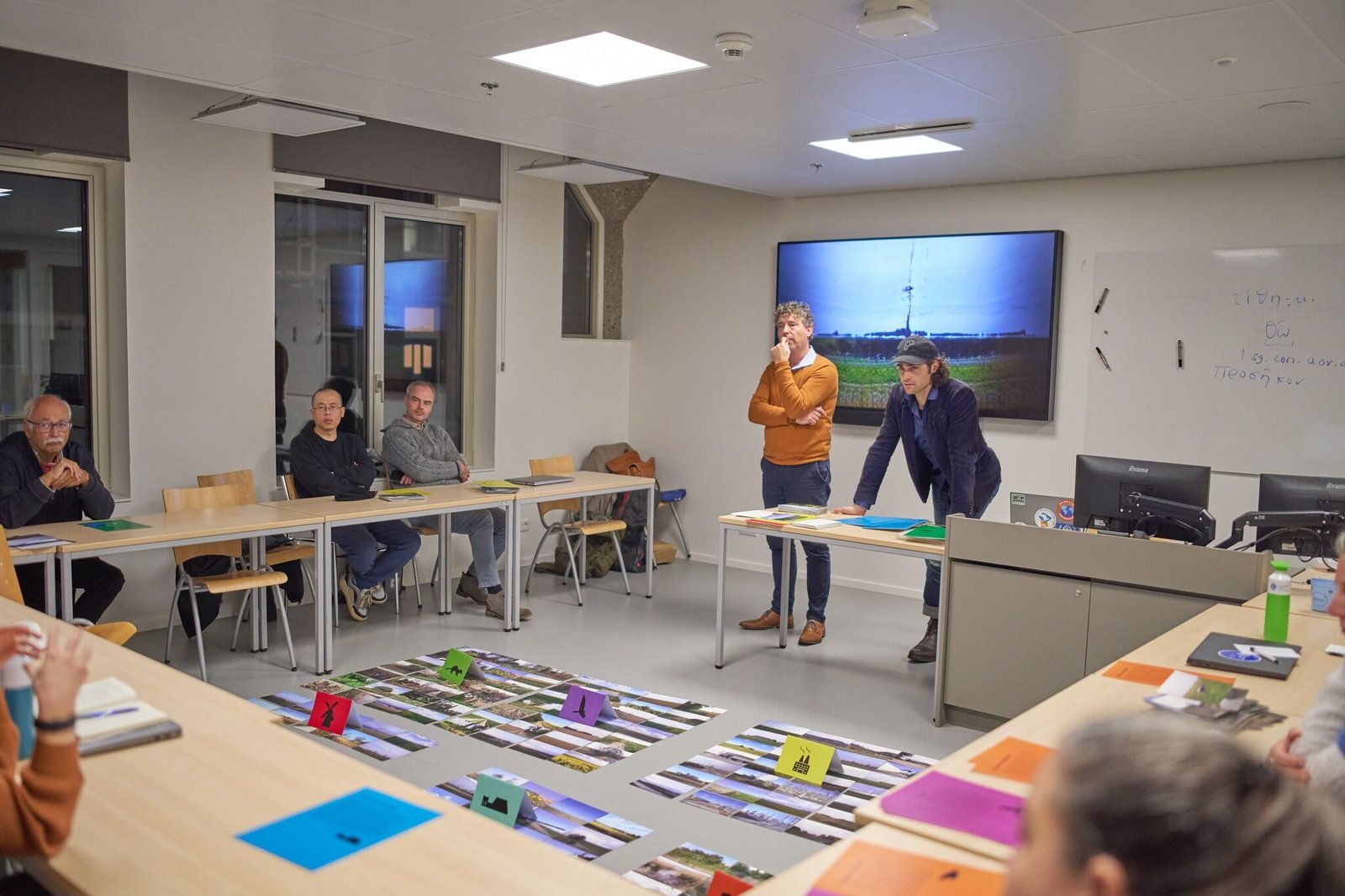
A workshop and guest lecture with Dirk-Jan Visser, exploring how creative practice can contribute to the position of non-human life within human systems.
In conversation.
Sparks from
the Pluriverse.
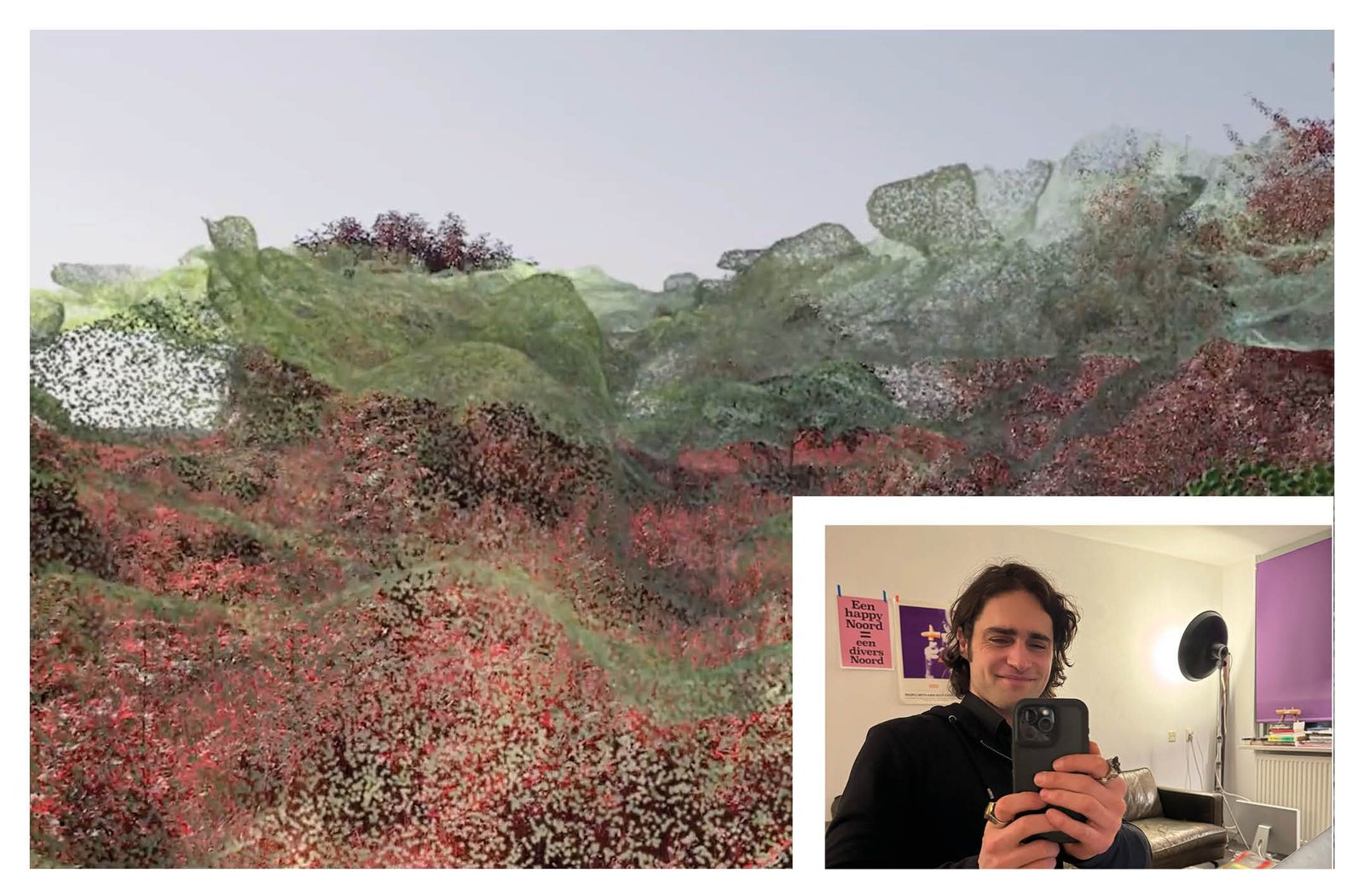
In “Empathetic AI,” Gus Drake speaks with Erik Wong about speculative landscapes, digital twins and how non-human perspectives can enter conversations about future environments.
Explore the interview on Nieuwe Instituut ↗Erik Wong in conversation with Gus Drake
Interview: Erik Wong · Published by Nieuwe Instituut
Audio editing: Nina van Hartskamp · Audio post-production: Rick Haring